Voters face 145 ballot questions, and only 25 have a poll
Polls cover a fraction of the statewide questions on the 3 November ballot, and California's wealth tax trails in the two newest.
 Polling Forecast
5 min read
Written in house from our poll data and our forecast.
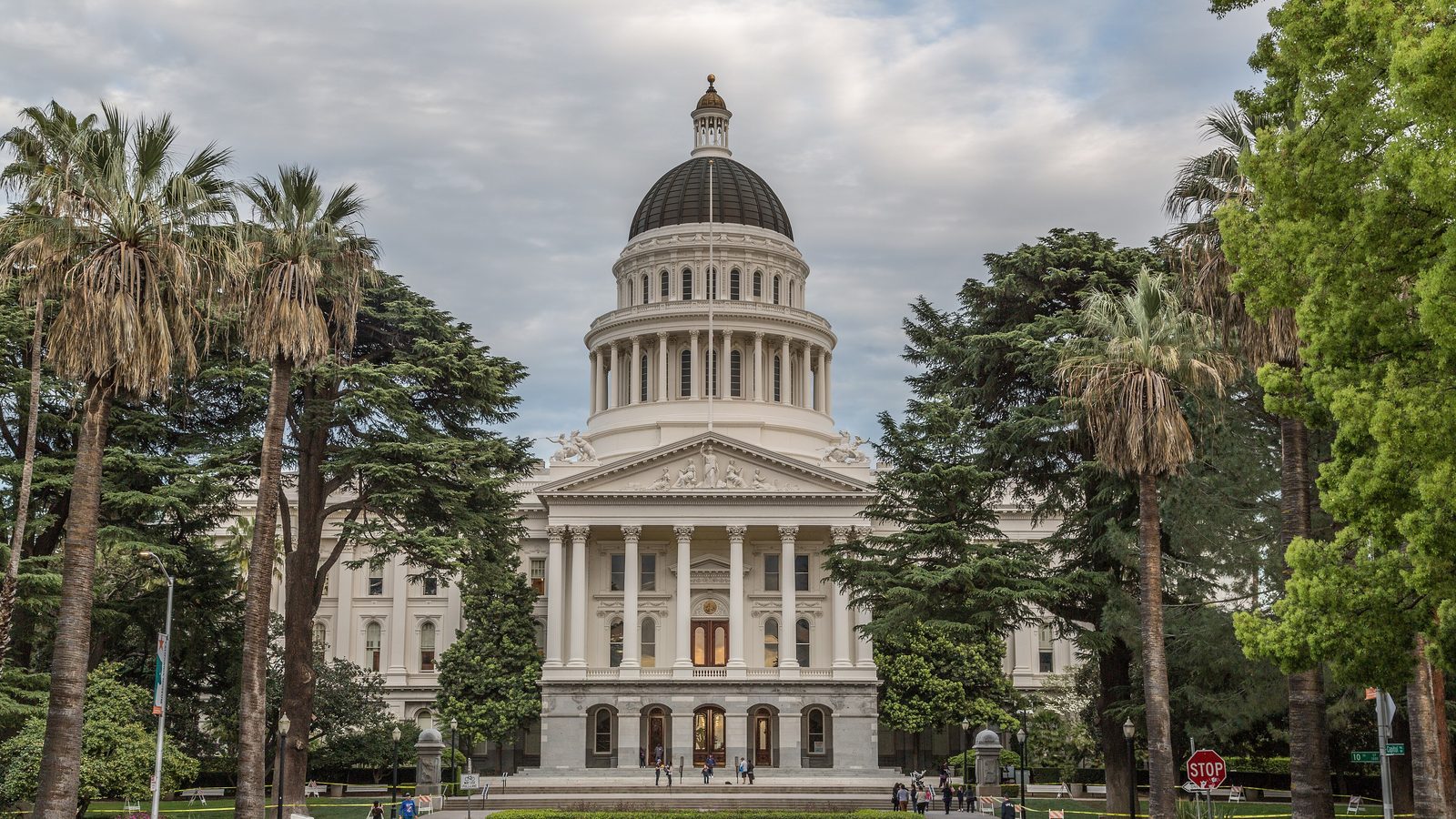

Voters in 39 states will decide 145 statewide ballot questions on 3 November, and only 25 of them have been polled, according to our ballot-measures database. Of the 145, 48 reached the ballot through citizens' petitions. The other 97 were put there by legislatures, are referendums on laws already passed, or are bond issues. Constitutional amendments referred by legislatures are the largest single group, at 76.
California and Colorado have the most questions, 14 each, followed by Louisiana with 10 and Massachusetts with 9. By topic, taxes lead with 26, then elections with 22 and education with 13. Four are about abortion and three about congressional redistricting.
We do not forecast ballot measures. What follows is what the published polls say, and how far polls of this kind have been right before.
California's tax fight
The most-polled question in the country is California's Proposition 40, a one-time tax on the wealth of the state's richest residents. We hold nine polls of it, more than any other measure. Through September most showed it ahead. Berkeley IGS had yes at 48 percent and no at 41 in early August, and PPIC had yes at 52 in early September. SurveyUSA and Mason-Dixon, both ending later that month, had yes ahead by 8 and 10 points.
The two newest polls point the other way. The Manhattan Institute's survey ending 1 October had yes at 35 percent and no at 50. IVC Media's, ending a day later with 2,906 likely voters, had 38 to 42, with 21 percent undecided. Across all nine, yes averages 45 percent and no 43. One poll moving would be within normal scatter. Two in a row from different firms, both with no ahead, is a pattern to watch, though the undecided share in the newest is the largest of any poll of the measure.
Two other initiatives would limit new state taxes. EdSource reported that Propositions 41 and 42 are largely backed by Google co-founder Sergey Brin and would effectively cancel the wealth tax if they pass. PPIC found 51 percent for Proposition 41 and 54 percent for Proposition 42. It also found 58 percent backing Proposition 3, which makes permanent the top income tax rates on the highest earners, and 55 percent against Proposition 39, which would require voters to show government-issued identification.
Taxes are on the ballot well beyond California. Washington votes on an initiative that would repeal the tax on household income over $1 million and bar state and local income taxes. Colorado has two measures pulling in opposite directions: Amendment 87 would replace the flat income tax with graduated rates, while Proposition 136 would cap income tax rates at 4.4 percent. None of these has a published poll in our database.
Abortion and redistricting
Four measures concern abortion. In Missouri, Amendment 3, put on the ballot by the legislature, would repeal the abortion-rights amendment voters approved in 2024 and allow abortion only in limited cases; it would also bar gender-transition procedures for minors. The one poll we hold, Saint Louis University and YouGov's from August, had 43 percent for and 44 against, with 13 percent undecided. Wikipedia lists an earlier SLU and YouGov poll, from February, with 47 percent for and 40 against.
Nevada's Question 6 is the second vote required on a constitutional right to abortion, which passed with 64.4 percent in 2024, according to Ballotpedia. Noble Predictive Insights had it at 69 percent yes and 22 no in late September. Virginia's Question 1, a reproductive-freedom amendment, and Idaho's Proposition 1, which would create a right to abortion before viability, have no published polls in our database. Virginia also votes on removing its ban on same-sex marriage and on restoring voting rights to people with felony convictions once they are released.
Missouri's Proposition A is a referendum on the congressional map the legislature passed in 2025. The same SLU poll found 35 percent for it, 32 against and 33 percent unsure. The 2022 map will be used for this year's House elections whatever the result. KCUR reported that if voters reject the measure, the 2022 lines could stay in place until at least 2031. Colorado's Amendment 86 and Maryland's Question 3 also deal with congressional districts.
Massachusetts, polled in full
Massachusetts is the only state where we hold polls of every question, all nine. Several are not close. Question 1, which would bring the legislature and the governor's office under the public records law, had 84 percent yes in the UMass Amherst poll in August and 63 percent in the CommonWealth Beacon and MassINC poll in September. Question 8, which would repeal legal retail sales of recreational marijuana, had between 24 and 33 percent yes in all three polls.
Others show how much measure polls can disagree. On Question 9, where a yes vote keeps the state's 2024 firearms law, MassINC had 70 percent yes and 18 no in September. The University of New Hampshire, polling the same week, had 38 percent yes, 27 no and 35 percent undecided. On Question 3, a single open primary with the top two advancing, yes led by 19 points in August and by 2 to 7 points in the two September polls. Undecided shares of 20 percent or more are common across the state's questions.
How far measure polls can be trusted
Our database holds no past ballot-measure polls with results, so we cannot score them as we score candidate polls. Other analyses give a rough guide. CalMatters examined PPIC surveys of about 80 California measures since 1998 and found that net support fell by an average of about 6.6 points a month as election day approached, with 71 percent of measures losing support. The fall was larger in low-turnout, non-presidential years. Bonds were the exception: their support rose slightly on average.
Individual cases cut both ways. In August 2024, SLU and YouGov had Missouri's abortion-rights amendment at 52 percent yes and 34 no; it passed with about 51.6 percent. In Nevada, Noble Predictive Insights' final 2024 poll had Question 6 at 59 percent yes with 7 percent undecided; it won 64.4 percent.
That record suggests caution about the measures polling near 50 percent. In California these include Proposition 41 at 51 percent and Proposition 45, which would set deadlines for environmental review, at 49. The housing and research bonds, Propositions 1 and 38, each at 55 percent, belong to the one group that has tended to hold its support. With a month to go, most of the 145 questions will be decided with no public poll at all.
Polling Forecast reads every poll in ten countries, corrects for how pollsters have missed before, and turns them into seats. Our forecasts, the polls and our methods are free to explore.
Elsewhere on Polling Forecast
 Rome prosecutors open a file on Vannacci's Futuro Nazionale
Futuro Nazionale is on 6.5% in our average and would win 23 seats outside both coalitions; the centre-left wins the Camera in 63% of our simulations.
 AfD's Siegmund will stand for premier in Saxony-Anhalt on 8 December
The AfD holds 39 of the 83 seats in Magdeburg; nationally it leads our average by 5.7 points and would win 193 Bundestag seats.
 Nawrocki promotes Domański reluctantly as the tribunal fight deepens
The government keeps a majority in only 10% of our simulations, while PiS, Konfederacja and KKP together would have 245 seats.