
We called Congress for the Democrats hours before the networks. Here is how the night went, and what we got wrong
The Democrats won the Senate and the House on a national vote 11 points their way. Our night forecast called both chambers at 8:37 pm Eastern, about two hours before the networks called the House and three before the Senate. A look back at the result and at our live blog, misses included.
 Polling Forecast
3 min read
data as of 4 November
Written in house from our poll data and our forecast.
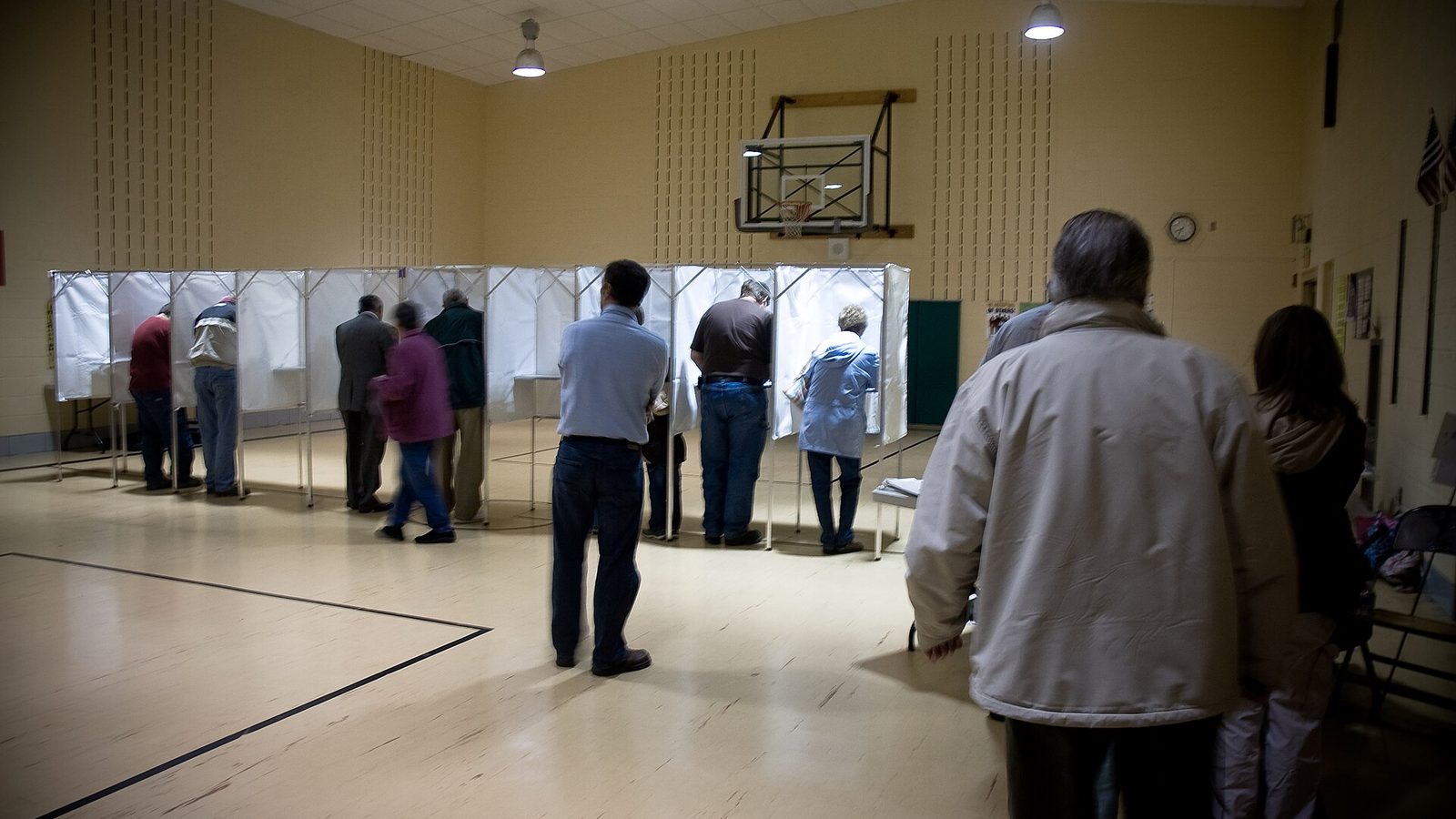

The Democrats have won control of both the Senate and the House. Counting goes on in the closest races and every figure here is unofficial until the states certify, but the result is settled.
The result
Across the 431 House districts we hold a count for, the Democrats have 55.0% of the vote and the Republicans 43.6%: a lead of 11.4 points on 108 million votes. In the Senate races the lead is 8.0 points, 52.3% to 44.4%.
In the Senate the Democrats hold 52 seats, counting the senators not up this year, and lead in four more. They needed to gain four. Their gains include North Carolina (Roy Cooper), the Ohio special election (Sherrod Brown), Texas (James Talarico), Maine (Troy Jackson), Kansas (Adam Hamilton), Iowa (Josh Turek), South Carolina (Andrews) and Mississippi (Scott Colom).
In the House the Democrats have won 139 districts and lead in 123 more; the Republicans have won 121 and lead in 52. On those leads the Democrats would hold about 262 seats, well past the 218 for a majority. So far 36 districts have changed hands to the Democrats and one to the Republicans.
Election night on our live blog
We started the evening with an 83% chance of a Democratic Senate and 90% for the House. The Economist had the Senate close to a coin flip; we said so, and said why we disagreed.
The early vote gave the first hint. Before anything was counted, registered Democrats' lead among ballots already cast was 17 points bigger than on the same day in 2024 in Pennsylvania, and 13 points bigger in North Carolina.
Georgia was the first real evidence. Comparing like with like, early votes with early votes and county by county with 2024, Keisha Lance Bottoms and Jon Ossoff were running 9 to 12 points ahead of where we expected. Michigan, Texas, Ohio, Maine, Kansas and Iowa then leaned the same way.
At 8:37 pm Eastern, with the counts running about 4 points ahead of the polls across 61 pieces of evidence, our night forecast passed 99.9% for both chambers and we called them. The networks projected the House at around 10:30 pm Eastern and the Senate between about 11:25 and 11:45 pm. Our speculative calls for Talarico in Texas and Brown in Ohio were confirmed by the networks later in the night.
What we got wrong
We said on the night that some of our calls would be wrong, and some were.
- Texas. As the rural and Election Day votes came in, Talarico's early 67-32 lead shrank fast and we swung to calling it "a genuine race". For about half an hour we were too cautious, and we took down two posts that leaned on a bad estimate of the votes still to count. Talarico won.
- Florida moved its results to a new website this year and our reader broke. For part of the evening our Florida races moved on evidence from other states, not Florida's own count. We said so on the blog at the time and fixed it mid-evening.
- Speculative calls that came and went, among them Dan Osborn in Nebraska and Mary Peltola in Alaska.
- The size of the swing. Our night forecast first had the Democrats about 4 points ahead of the polls; its final reading was about 1 point, as Florida and the late Election Day vote came in.
How our forecast did
Of the 51 Senate and governor races decided so far, the candidate our pre-election forecast favoured won 47. Of the 14 close ones, where the favourite had under an 80% chance, the favourite won 11. In the House our favourite has won 223 of the 241 districts decided so far.
The four we got wrong:
- Vermont governor: we had Janoo at 58%; Scott won.
- South Carolina Senate: we had Graham at 62%; Andrews won.
- Texas governor: we had Abbott at 63%; Gina Hinojosa won.
- Mississippi Senate: we had Hyde-Smith at 85%; Colom won.
Three of the four went the Democrats' way, and that is the polling story of 2026. Our forecast takes part of the polls' lead off whichever party they have overstated before, and in five of the last six elections they had overstated the Democrats. This time they understated them, by about two points in the national vote, so our correction moved our numbers the wrong way. We will publish a full race-by-race account once the counts are final.
Read the night as it happened
Every post, from the first closings at 6 pm Eastern to our goodnight: the election-night live blog.
Polling Forecast reads every poll in ten countries, corrects for how pollsters have missed before, and turns them into seats. Our forecasts, the polls and our methods are free to explore.
Elsewhere on Polling Forecast
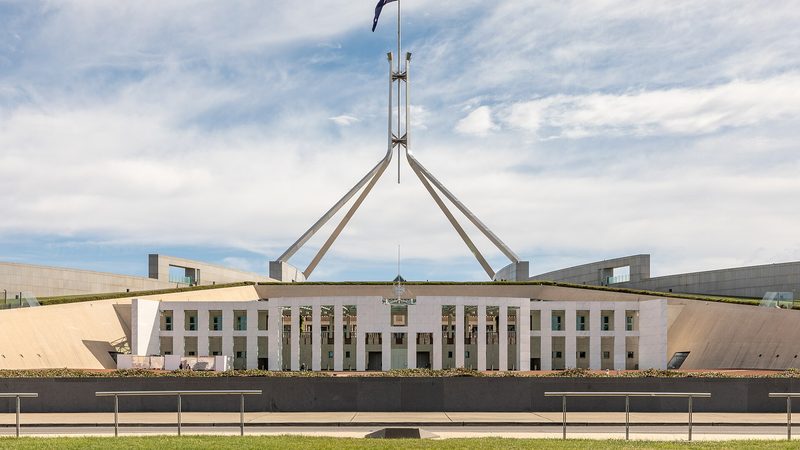 Victoria votes in 23 days, and the Coalition is close to a majority
Victoria's state election is on 28 November. Our projection gives the Coalition 48 of the 88 seats, three more than a majority; One Nation's vote decides how many it really wins.
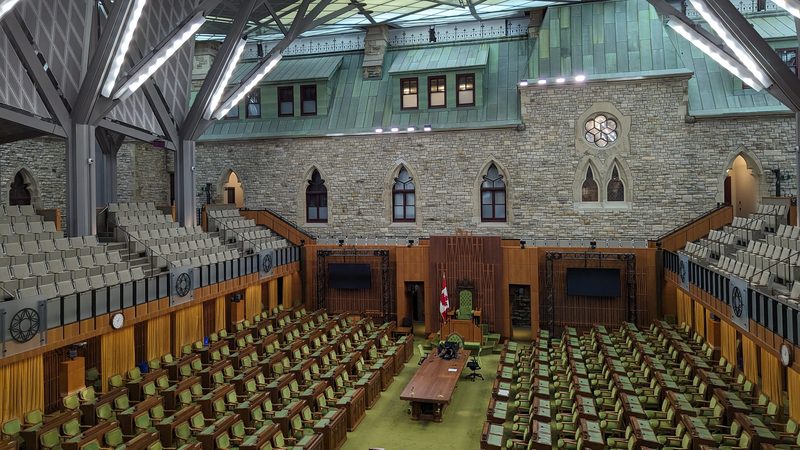 Is the NDP on 8 per cent or 14? It depends which pollster you ask
Liaison and Nanos have the NDP on 13.6 to 14 per cent; Abacus and Léger on 8 to 9. At 8 the party would hold a handful of seats; at 14 it starts to win back some it lost in 2025.
 Only a repeat of 2023's polling miss would cost the right its majority
PiS and the two Konfederacjas have 240 seats in our projection. If the polls miss like 2023, they fall to 226 and the governing coalition, with the PSL back in the Sejm, reaches 234.