How American elections work
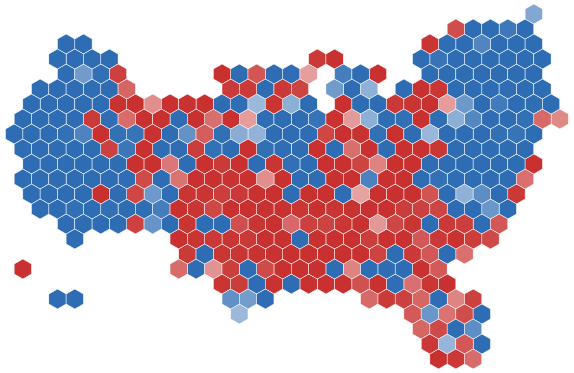
The US's presidential election (7 November 2028) explained: who is elected, how the 538 seats of the Electoral College are shared out, and how to read our forecast, which today has Democrats 289 seats.
The House of Representatives
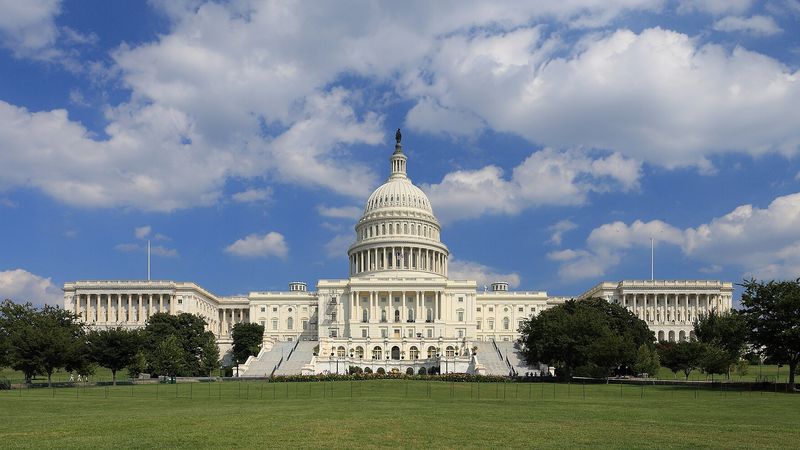
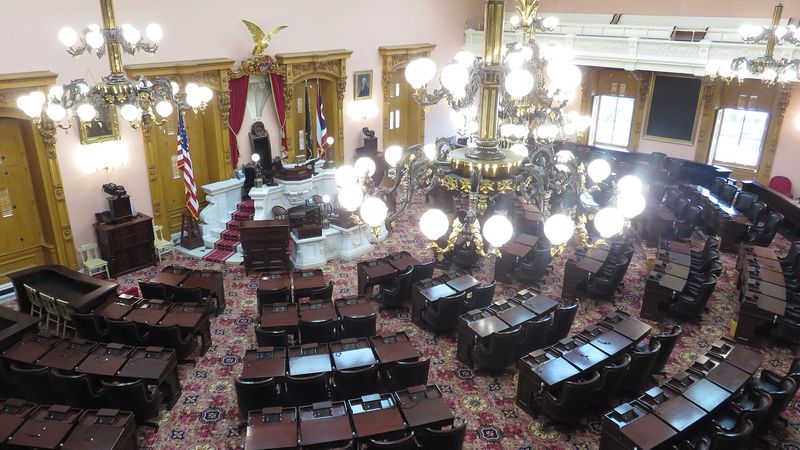
435 members, one per district, all elected every two years on the Tuesday after the first Monday in November. Seats are shared among the states by population after each census; states draw the lines, and nine redrew them for 2026. Most districts elect whoever gets most votes; Maine and Alaska use ranked choices, Georgia holds runoffs if no one passes 50%, California and Washington send the top two from an open primary to November (sometimes both from one party), and Louisiana holds party primaries on polling day and a runoff in December. A majority is 218.
The Senate
Two senators per state, 100 in all, elected for six years in three classes, so about a third are up every two years: 33 of class II in 2026, plus special elections in Florida and Ohio for seats vacated when Marco Rubio and JD Vance joined the administration. The vice president breaks a 50-50 tie. Governors fill vacancies by appointment until a special election.
Governors
Each state elects its governor, most for four years; 36 do so in midterm years, New Hampshire and Vermont every two years, and five states in odd years (Kentucky, Louisiana and Mississippi in 2027; New Jersey and Virginia voted in 2025).
The president
Elected by 538 electors: each state has as many as its members of Congress, and Washington, DC has three. Every state but Maine and Nebraska gives all its electors to the candidate with most votes there; those two give two to the statewide winner and one to the winner of each congressional district. 270 wins; if no one has a majority, the House chooses, one vote per state delegation. The next election is on 7 November 2028.
Polls
There is no official register of polls and no ban on publishing them. Pollsters report registered or likely voters, and many polls are paid for by campaigns or parties; we show who paid, and weigh such polls down. How we read them.
Figures as of . Published by Polling Forecast.