
Three House races head to recounts as the count winds down
Democrats lead North Carolina's 5th and Minnesota's 1st by about 300 votes each; a Republican leads North Carolina's 10th by more than 2,500.
 Polling Forecast
2 min read
data as of 20 November
Written in house from our poll data and our forecast.
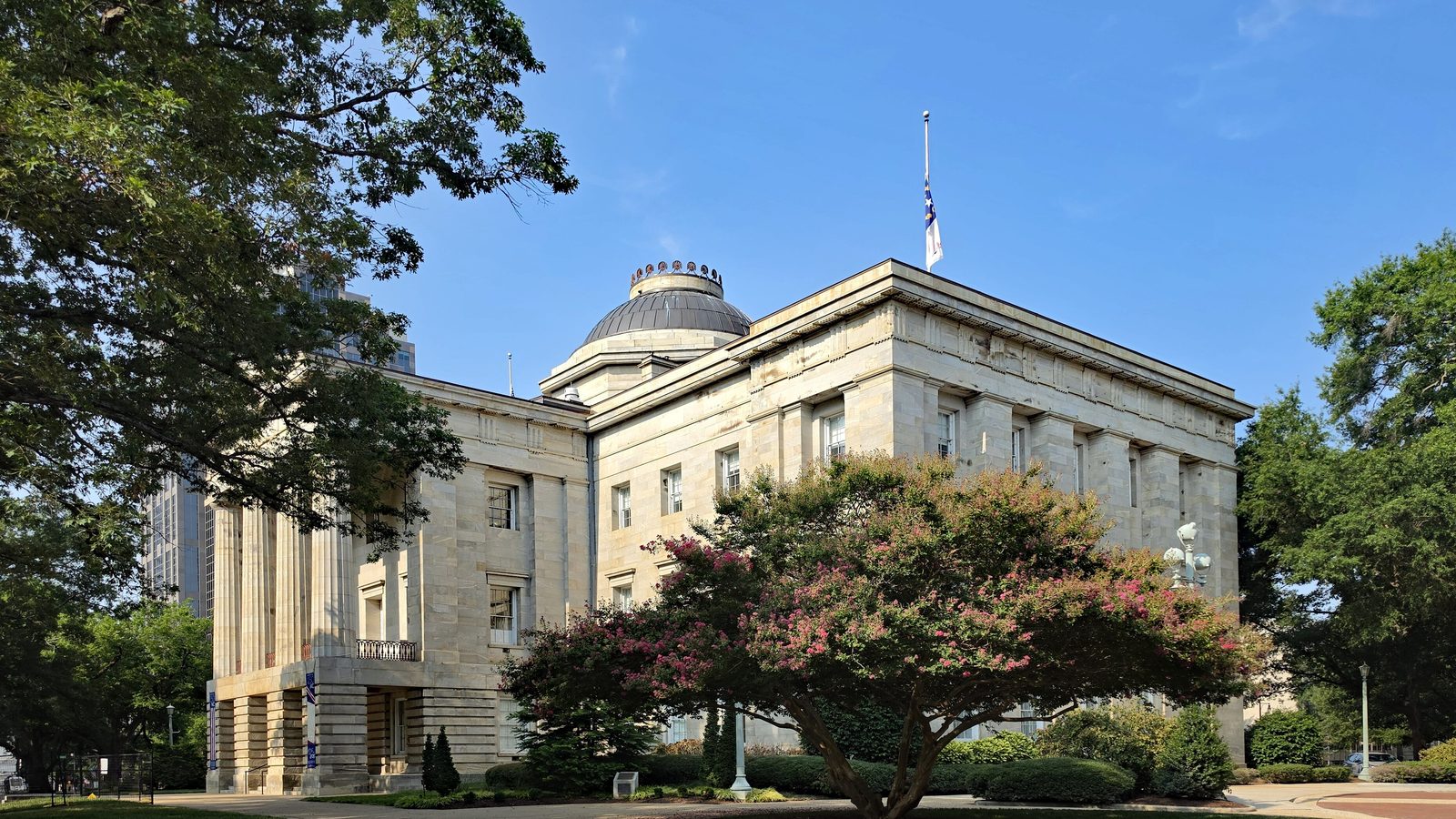

More than two weeks after the midterms, three House seats are going to recounts. In North Carolina's 5th district, Representative Virginia Foxx asked for a recount before Tuesday's deadline, with Democrat Chuck Hubbard ahead by just over 300 votes (WRAL, from The New York Times). In Minnesota's 1st, Representative Brad Finstad said he would seek a recount; Democrat Jake Johnson leads by about 300 votes and has declared victory. In North Carolina's 10th, Democrat Ashley Bell asked for one on 13 November, trailing Representative Pat Harrigan by more than 2,500 votes.
The AP called North Carolina's 3rd district for Democrat Raymond Smith on Tuesday, over Representative Greg Murphy, who had already conceded. The Times counted seven House races still uncalled by the AP that afternoon, two of them in North Carolina. Louisiana's 5th and 6th districts go to runoffs on 12 December.
Several close races were settled without one. In Colorado's 4th, Democrat Eileen Laubacher beat Representative Lauren Boebert by about 3,400 votes, too many for an automatic recount, and in Maine's 2nd Paul LePage won by more than 5,000 after the ranked-choice tabulation on 12 November (Yahoo News). In Florida's 27th, Representative Maria Elvira Salazar held on by just over 1,000 votes after a two-day recount.
What recounts usually do
Recounts seldom overturn margins of this size. The Times noted that a gap like the 2,500 votes in the 10th is not typically reversed by a recount, and Harrigan said he respected Bell's right to ask for one. Johnson made the same point about Minnesota. Margins of around 300 votes are closer, but still large for a recount to change.
The Senate count is already over. The AP called Alaska for Mary Peltola on 17 November, with 144,302 first-choice votes to Senator Dan Sullivan's 131,844, or 50.1% (Alaska's News Source). That gives the Democrats 56 Senate seats when the new Congress meets in January. Alaska certifies on 25 November and Mississippi, where Scott Colom won, on 3 December.
What it means for our numbers
None of these seats changes control of the next House: the Democrats won the majority on election night, and the remaining races decide its size. They do feed our first projections for 2028. On those, the Democrats keep the Senate in 2029 in 99% of our simulations and win a House majority in 58%, an early projection that rests mostly on the national environment.
For the presidency, our projection gives the Democrats a 65% chance and 289 electoral votes on average, against 270 needed. Our generic-ballot average from the final polls before the midterms had them on 54.3% of the two-party vote and the Republicans on 44.8. That average is from 2 November; there have been no national polls in our data since.
What is uncertain
The recounts have no published dates yet, and certification in North Carolina and Minnesota will follow them. A few hundred votes either way would not change the picture above. The larger uncertainty is in 2028 itself: with two years to go, our projection's range runs wide and rests on no named candidate.
Polling Forecast reads every poll in ten countries, corrects for how pollsters have missed before, and turns them into seats. Our forecasts, the polls and our methods are free to explore.
Elsewhere on Polling Forecast
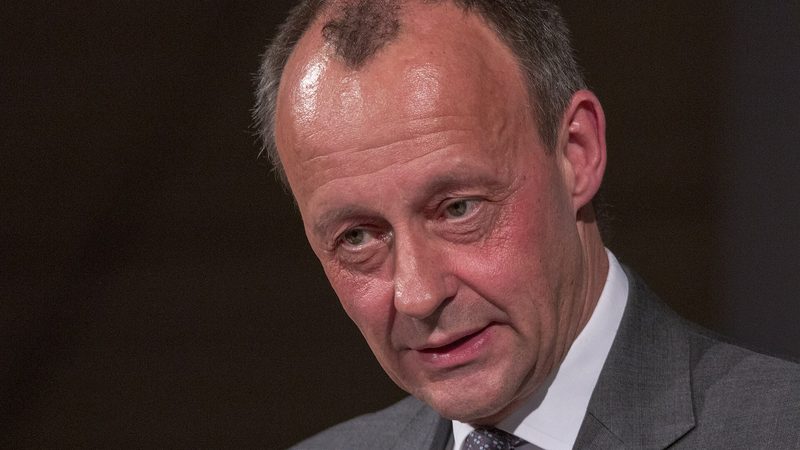 Merz and the SPD agree an electricity tax cut overnight
The cut is funded for 2027 only, with the budget vote due next week; our forecast leaves the Union and SPD 65 seats short of a majority.
 Abascal claims three big parties as Vox holds 67 seats
Vox is on 19.1% and 67 seats in our projection, double its 2023 total, and Feijóo would need its votes to govern.
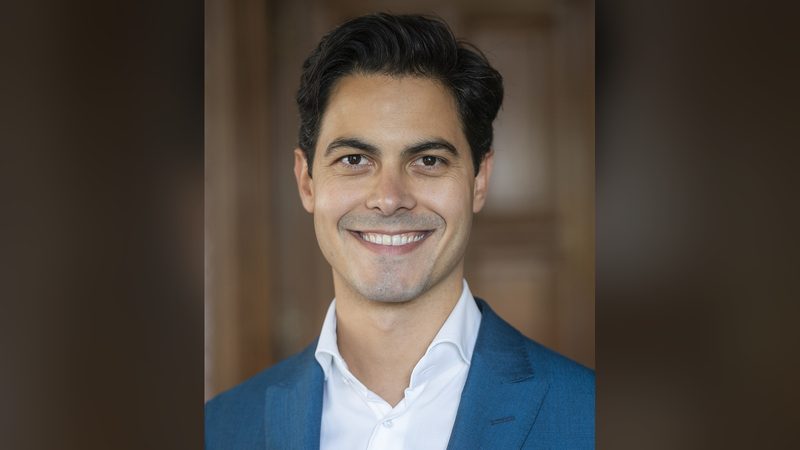 Jetten's cabinet survives four days of crisis talks with the VVD
D66, the VVD and the CDA will carry on together, but our forecast gives the three parties 43 seats, far short of the 76 needed.