
The Senate is likely to come down to six races the polls cannot call
Iowa, Kansas, Alaska, Nebraska, Texas and Ohio are all within three points in the polling averages. Democrats need only some of them, but they cannot afford to lose all of them.
 Polling Forecast
2 min read
data as of 1 November
Written in house from our poll data and our forecast.

Here is how the Senate math works on the last weekend. Republicans hold 53 seats. Democrats need 51, because Vice President Vance breaks a tie, so they must gain four net.
Our forecast gives Democrats 53 seats and a 85% chance of control. Most of that comes from two pickups the polls now treat as likely, not close. In North Carolina, Roy Cooper has led Michael Whatley all autumn, by about eleven points on average (SurveyUSA had him up 14). In Maine, Troy Jackson leads Susan Collins in most polls by two to seven points. We give Cooper 99% and Jackson 83%.
Hold Michigan (88% for El-Sayed) and everything else Democrats already have, and they are at 49. Two more are needed. They will come from a group of six races where the polling average is within three points:
Iowa. Josh Turek against Ashley Hinson is the closest race on the map. The two trade small leads: Echelon had Turek up two, co/efficient had Hinson up two. Our average has Turek ahead by less than half a point, and we give him 66%.
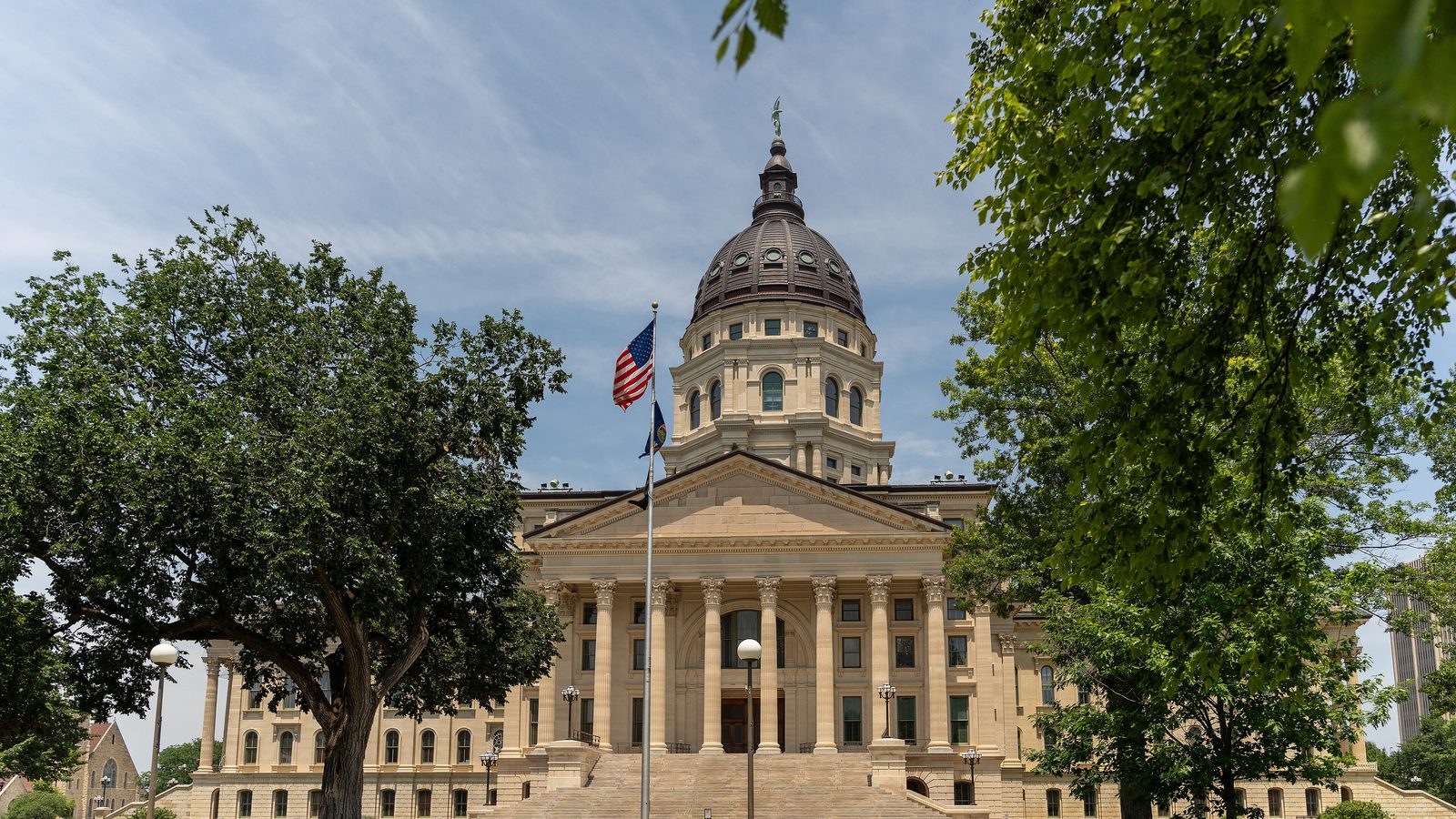
Kansas. Nobody had this on a list in the summer. Adam Hamilton led Roger Marshall 50 to 47 in Emerson's poll, and the latest CNN poll had him up four. One poll has Marshall ahead by a point. Kansas has not elected a Democrat to the Senate since 1932, and our fundamentals still lean heavily Republican. Hamilton's chance: 65%.
Alaska. Mary Peltola has led Dan Sullivan by two to seven points in October. September's polls were tied or had Sullivan slightly ahead, so the movement is recent. Ranked-choice voting and a ballot with two candidates named Dan Sullivan make this harder to read than the averages suggest. Peltola's chance: 75%. Results will not be complete until November 18.
Nebraska. Independent Dan Osborn against Pete Ricketts. Echelon had Ricketts up by one; the New York Times/Siena poll released on Saturday had him up six. Osborn ran 2024's Senate race close in Nebraska too and lost by seven. Osborn's chance: 47%.
Texas. James Talarico leads Ken Paxton in nearly every fall poll by two to six points, and by eight in one YouGov survey. Quantus is the exception, with Paxton up one. Texas polls overstated Democrats in 2020 and 2024, and our forecast allows for that. Talarico's chance: 72%.
Ohio. Sherrod Brown's comeback against Jon Husted has held up: he leads in nearly all polls since early October, by three in Suffolk's latest. Ohio polls overstated Brown in 2024, when he lost by about four. His chance: 71%.
South Carolina may join the group. The New York Times/Siena poll had Annie Andrews and Darline Graham tied at 48, though other polls have Graham ahead by one to four. We give Andrews 38%.
The six are not independent coin flips. If the polls are off nationally, they will mostly be off in the same direction. A good night for Democrats probably means winning four or five of them; a 2020-style polling miss could mean losing nearly all of them, and the Senate with it. That shared risk is why our chance of Democratic control is well short of what the individual races might suggest.
Every race is on our Senate page, and you can pick the winners yourself in Call the races.
Polling Forecast reads every poll in ten countries, corrects for how pollsters have missed before, and turns them into seats. Our forecasts, the polls and our methods are free to explore.
Elsewhere on Polling Forecast
 353 seats? The mega-poll's Labour majority comes from a split right, not tactical voting
Run the mega-poll's own vote shares through our model and Labour still gets 358 seats. The difference from our 316 is a weaker Conservative Party and a stronger Restore Britain, not the tactical voting the coverage focused on.
 Polls understated PiS in 31 of 32 final surveys since 2024
At four national votes since Tusk took office, final polls put PiS or its candidate too low. Our forecast makes no allowance for it.
 Private polls understated Spain's PSOE at six of eight elections
104 of 142 private final polls since 2004 had the PSOE too low, but even a repeat of 2023 would probably leave the PP and Vox a majority.