
Two days out, the polls have hardly moved. Neither has our forecast
Democrats lead the generic ballot by about nine points, Trump's approval is in the high thirties, and the Senate battleground has spread into Kansas, Texas and Alaska. Here is where everything stands before Tuesday.
 Polling Forecast
3 min read
data as of 1 November
Written in house from our poll data and our forecast.
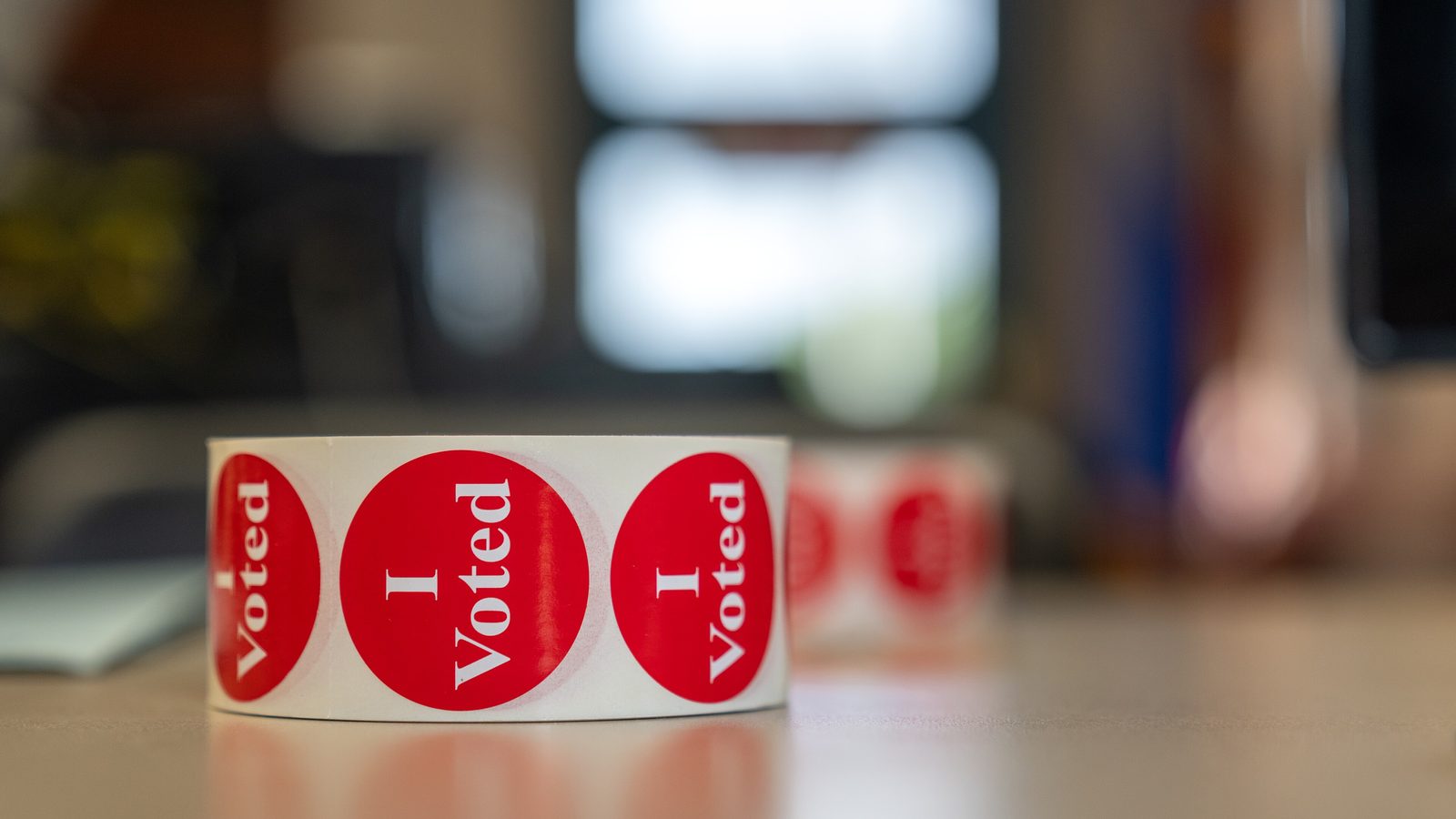

The final weekend of the 2026 campaign looks a lot like the last month of it. Democrats have led the generic congressional ballot by eight to ten points in almost every poll since early October, and the averages have barely shifted. Silver Bulletin has Democrats ahead by nearly nine. In our own average, which corrects each pollster for its usual lean, the national House vote stood at D+9.4 on November 1.
That is a bigger lead than either party has had this late in a midterm since 2006, when Democrats won the House. At the same point in 2018, the year Democrats gained 41 House seats, the RealClearPolitics average had them up 7.2. In 2010, when Republicans gained 63, they led by 6.5.
The other number driving this election is the president's standing. Trump's approval is around 37% in the averages, with close to 60% disapproving. On the cost of living it is worse: in recent polls about a quarter approve of how he is handling inflation. A president that far underwater has never gained seats in a midterm.
Our forecast puts Democrats on 243 House seats and 53 in the Senate. Their chance of a House majority is 91%; of Senate control, 85%. 218 is a House majority. In the Senate Democrats need 51, because Vice President Vance breaks a 50-50 tie.
The House is the more certain of the two because the generic ballot covers it directly. A nine-point national lead is far more than Democrats need: they could lose three or four points of it and still be favored. The what-if page shows what each past polling miss would do to the seats.
The Senate is harder, because the map is. Democrats need to gain four seats net, and nearly all of their targets are in states Trump won. The polls say they are doing it anyway. Roy Cooper leads Michael Whatley by about eleven points in North Carolina (Elon had Cooper 52, Whatley 39). Troy Jackson leads Susan Collins in Maine in most polls (CNN: 49 to 45). Sherrod Brown is ahead of Jon Husted in Ohio by two to six points in nearly every poll since early October, Suffolk's latest by three.
Then come the races nobody expected to be close. In Kansas, Adam Hamilton led Roger Marshall 50 to 47 in Emerson's poll and by ten in the Washington Post's, though the Post itself flagged doubts about its sample. In Texas, James Talarico leads Ken Paxton in nearly every poll this fall: CNN/SSRS had him up 49 to 43. Mary Peltola has led Dan Sullivan in October polls in Alaska. Our chances for these three: Hamilton 65%, Talarico 72%, Peltola 75%.
Democrats also have seats of their own to defend. Michigan is open, and Abdul El-Sayed led Mike Rogers in 11 of 12 October polls; we give him 88%. Jon Ossoff looks safe in Georgia (99%), as does Chris Pappas in the open New Hampshire seat (96%).
Two cautions. First, polls have overstated Democrats in most recent federal elections, 2016, 2020 and 2024 among them, and a 2020-sized miss would make the Senate a coin flip again. Our forecast already allows for that; it is the main reason the Senate chance is not higher. Second, close races take time to count. Alaska will not finish until November 18, and several states count mail ballots for days.
Our election night page follows the count from the first poll closings at 6 pm Eastern on Tuesday, with our live model updating each race as the votes come in.
Polling Forecast reads every poll in ten countries, corrects for how pollsters have missed before, and turns them into seats. Our forecasts, the polls and our methods are free to explore.
Elsewhere on Polling Forecast
 353 seats? The mega-poll's Labour majority comes from a split right, not tactical voting
Run the mega-poll's own vote shares through our model and Labour still gets 358 seats. The difference from our 316 is a weaker Conservative Party and a stronger Restore Britain, not the tactical voting the coverage focused on.
 Polls understated PiS in 31 of 32 final surveys since 2024
At four national votes since Tusk took office, final polls put PiS or its candidate too low. Our forecast makes no allowance for it.
 Private polls understated Spain's PSOE at six of eight elections
104 of 142 private final polls since 2004 had the PSOE too low, but even a repeat of 2023 would probably leave the PP and Vox a majority.