Victoria enters its final week with the Coalition ahead 57-43
A Redbridge poll for the AFR has Jess Wilson's Coalition well ahead after preferences, and analysts compare the likely result to Labor's 1992 defeat.
 Polling Forecast
2 min read
data as of 22 November
Written in house from our poll data and our forecast.
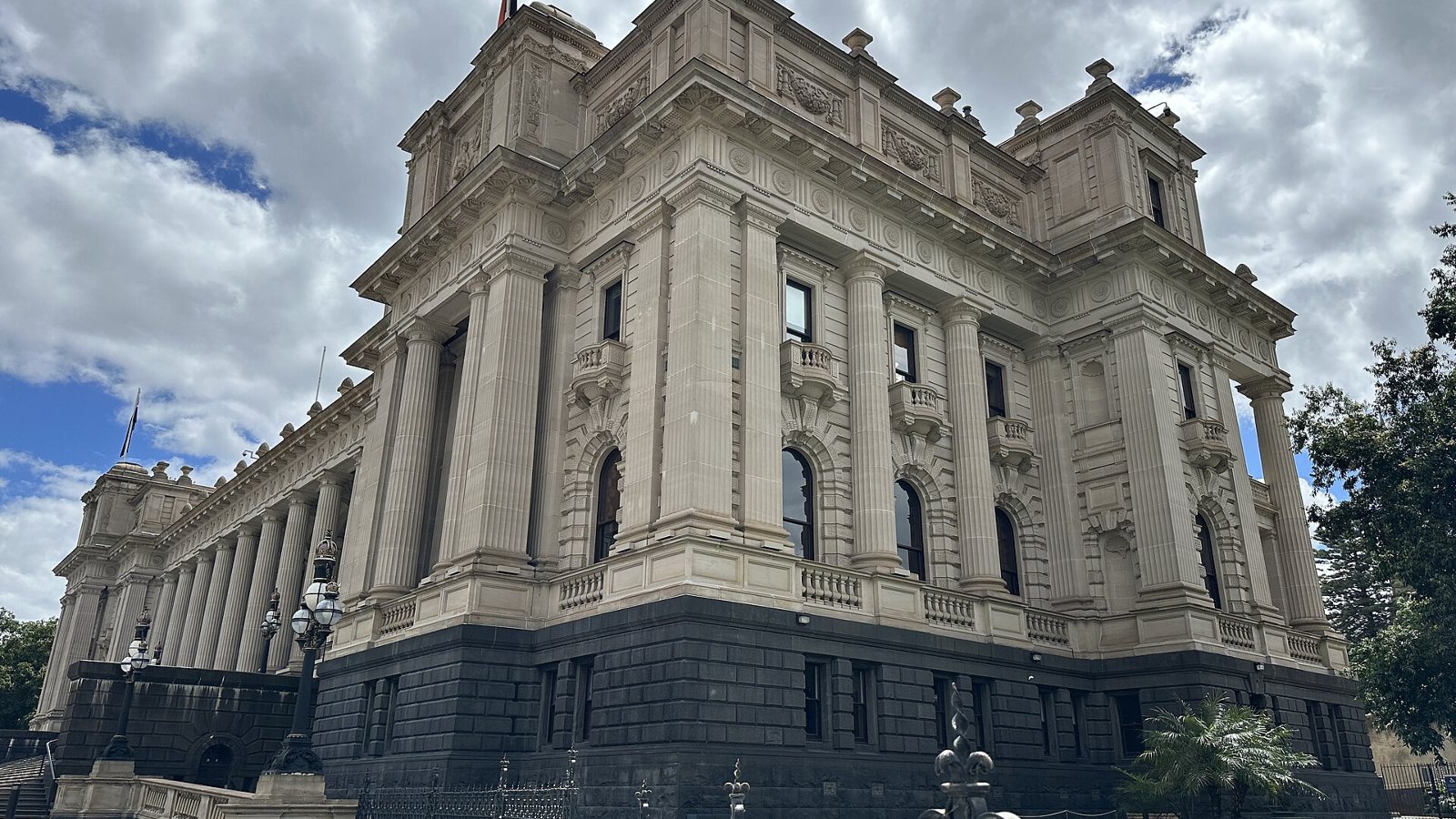
Victoria votes on Saturday 28 November, and the last week of the campaign opens with the Coalition clearly ahead. A Redbridge poll for The Australian Financial Review, taken this month, puts the Coalition on 57% after preferences and Labor on 43, the ABC reported on Saturday (ABC News). The ABC gave no fieldwork dates for the poll.
That is a wider gap than the last Newspoll, published in late October, which had the Coalition ahead 55-45, with primary votes of Coalition 33, Labor 24, One Nation 20 and the Greens 14 (The Nightly). Two polls from two pollsters a few weeks apart cannot show a trend on their own, but both put Labor well behind.
What the campaign looks like
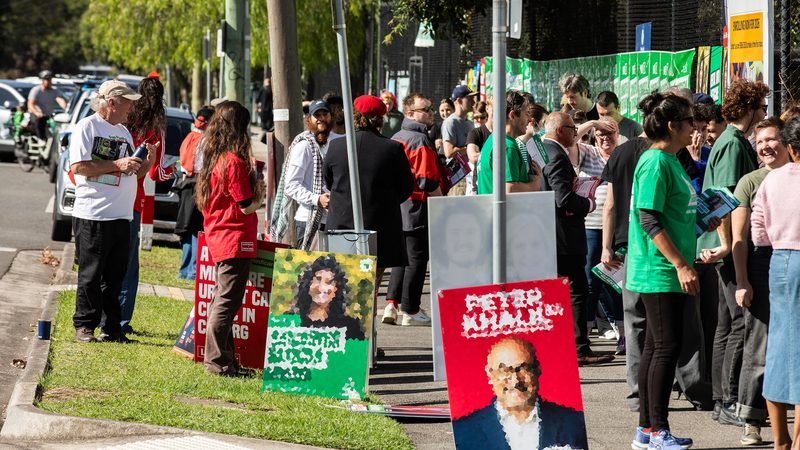
Premier Ben Carroll and Opposition Leader Jess Wilson spent Saturday outside early voting centres in greater Melbourne. Greens leader Ellen Sandell campaigned in Richmond, and One Nation's state leader Warren Pickering in his party's target seats. Carroll declined to say directly whether he would hold his own seat of Niddrie, calling it a seat that "has always been marginal", the ABC reported. Wilson told reporters that the election would be close.
Political scientists quoted by the ABC were less cautious. Geoff Robinson of Deakin University said provincial cities were in play for the first time since the Kennett era and compared the likely result to Labor's 1992 defeat, when its primary vote was around 38%. Zareh Ghazarian of Monash University described the campaign as presidential, with Coalition billboards reading "Jess Wilson's Liberals". If the Coalition wins, Wilson, 36, would be the first woman elected premier of Victoria.
Why it matters beyond Victoria
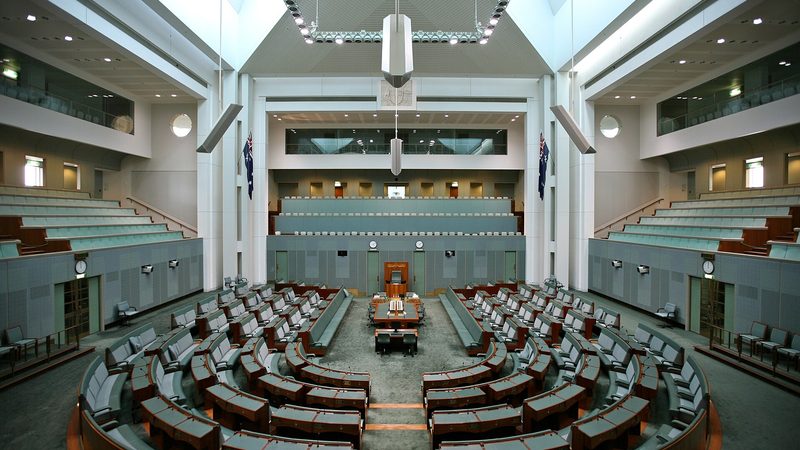
Victoria is the first big test of the parties since One Nation moved ahead federally. Our federal average has One Nation on 26.6%, Labor on 26.1 and the Coalition on 23.2. On those numbers One Nation would win 65 seats in the House and Labor 53, with no party reaching 76 in 96% of our simulations. Our two-party-preferred figure, worked out from the primaries, has Labor on 50.5.
Victoria's polls tell a different story about the Coalition. Newspoll's 33 for the Coalition there is ten points above its federal share in our average, and One Nation's 20 is well below its federal 26.6. A state vote is not a federal one. What Saturday can show is how One Nation's vote translates into seats under preferential voting when it runs a full state campaign.
What is uncertain
There have been few published Victorian polls in the campaign, and the Redbridge poll's dates and sample are not public in the reports we have seen. Early voting has been open since the week of the leaders' debate, so a large share of votes will already be cast by Saturday. Counting in close seats, especially those decided on One Nation and Greens preferences, may take several days.
The gap between the two published polls is also a reminder of how far apart pollsters can be. Our federal numbers come from an average precisely because single polls scatter, and in Victoria there are too few polls for an average to settle. We will cover the result, and what it says about the federal polls, after Saturday's count.
Polling Forecast reads every poll in ten countries, corrects for how pollsters have missed before, and turns them into seats. Our forecasts, the polls and our methods are free to explore.
Elsewhere on Polling Forecast
 Poles name Nawrocki, not Kaczyński, as leader of the right
An SW Research poll for Rzeczpospolita puts the president on 23.8% to Kaczyński's 19, as our forecast gives the right's parties 245 seats together.
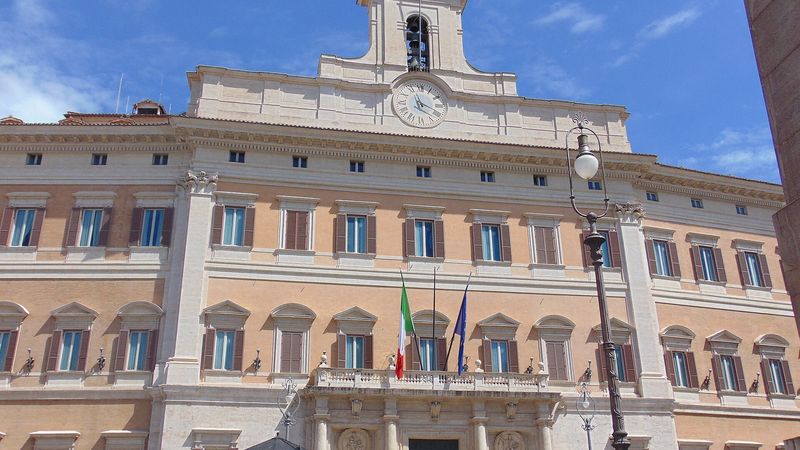 Italy's blocs are 0.6 points apart, but the Camera is not
YouTrend's Supermedia has the centre-left on 43.1% and the centre-right on 42.5; our forecast turns a similar vote into 224 seats for the centre-left.
 INSA puts Merz on 16% as the AfD holds at 28
INSA's new poll for Bild am Sonntag has the Union unchanged on 19 and the FDP at 5%, while satisfaction with Merz rises three points.