Victoria votes in seventeen days, and Labor could lose the premier's own seat
After twelve years in government, Victorian Labor is polling in the low twenties. On our projection the Coalition would win a majority, One Nation would take its first lower-house seats in Melbourne's outer suburbs, and Ben Carroll's Niddrie would fall.
 Polling Forecast
3 min read
data as of 11 November
Written in house from our poll data and our forecast.
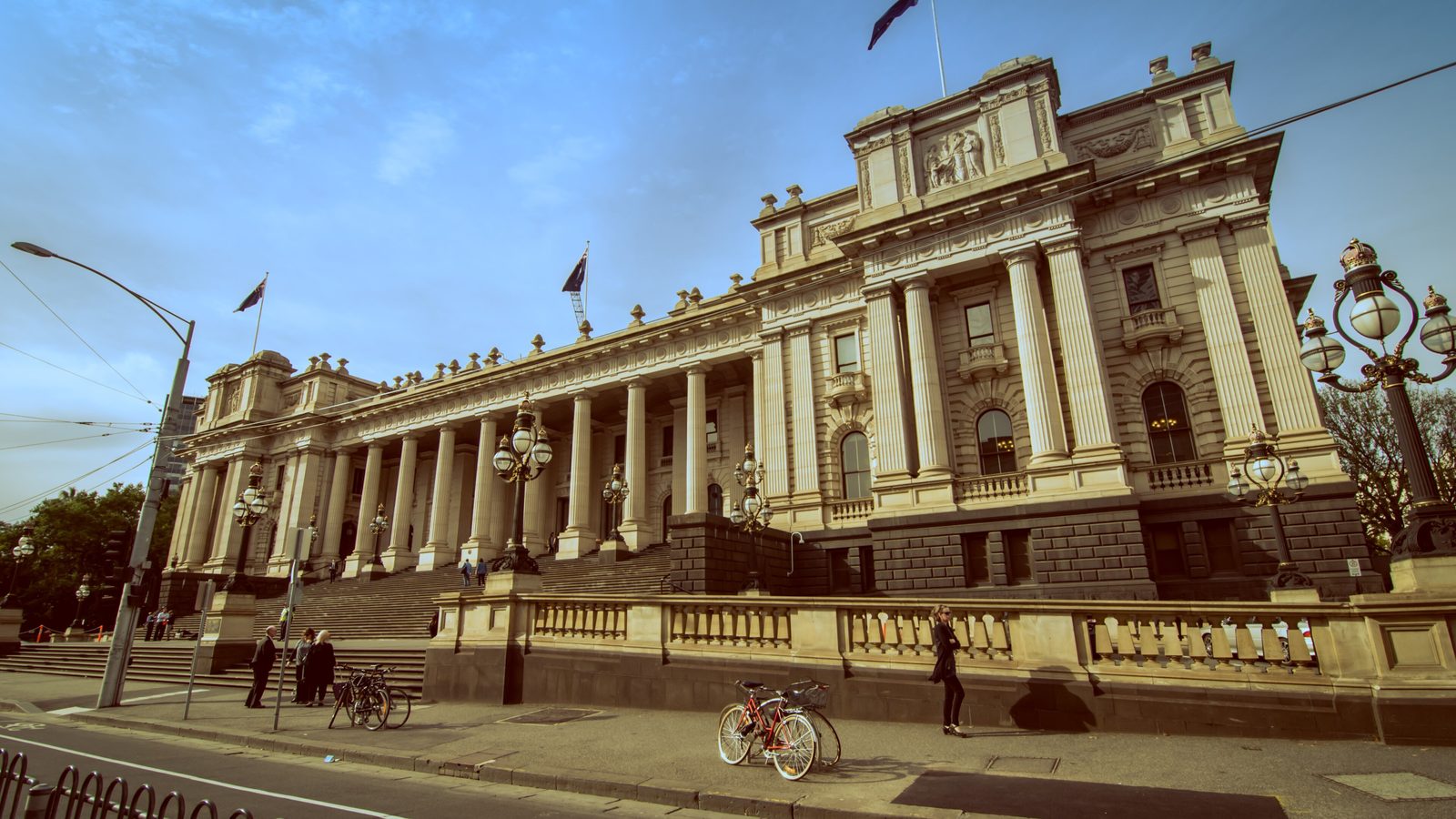
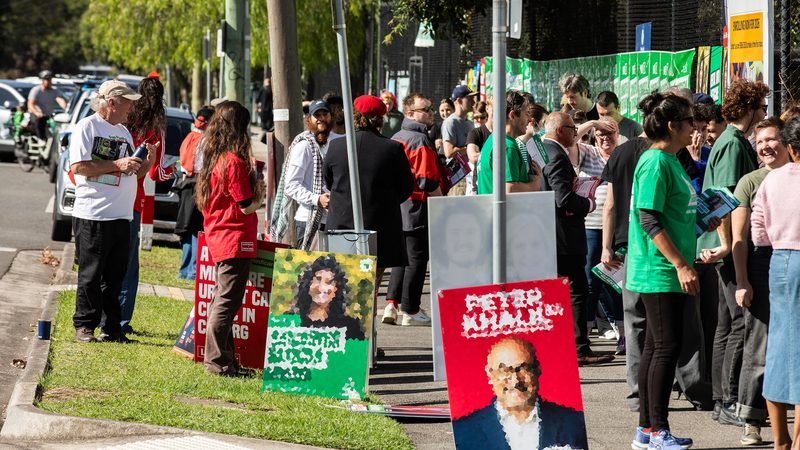
Victoria goes to the polls on 28 November, and for the first time since 2014 Labor goes in as the underdog.
On our projection the Coalition would win 51 of the 88 seats in the Legislative Assembly, with a majority in 56% of our simulations. Labor would fall from the 56 seats it won in 2022 to 22. One Nation, which has never held a seat in the Victorian lower house, would win 8, and the Greens 6. Nobody wins a majority in 41% of our runs.
The polls
Our figures come from the latest state polls of eight pollsters, the newest taken on 10 November. Averaged and corrected for each pollster's record, they put the Coalition on 30.7% of the primary vote, Labor 23.0%, One Nation 21.0% and the Greens 13.6%. Labor won 36.7% in 2022; One Nation stood in only a handful of seats and won 0.3%.
On two-party preferred, Labor is on about 45% against the Coalition, down from 55.1% at the last election. RedBridge's poll for the AFR in early October had it at 44-56; Resolve for The Age had the Coalition 28, Labor 25, One Nation 23 and the Greens 15 (Wikipedia: opinion polling).
Why Labor is in this position
Labor has had three leaders in three years. Daniel Andrews resigned in 2023; Jacinta Allan, his successor, stood down in July when Ben Carroll challenged her, and he was elected unopposed. Carroll has had four months to make himself known, and preferred-premier polls show it: Resolve had him on 22%, behind the Liberal leader Jess Wilson on 29%, with One Nation's Warren Pickering on 14%.
His campaign has gone for cost of living, with a $30 weekly cap on public transport fares and $1.5 billion to cut hospital waiting lists. Wilson's Coalition has matched One Nation's pledge to repeal the state's treaty law.
Where the seats change
Our projection has 37 seats changing hands. Most of the Coalition's gains are in the middle-ring and outer eastern and south-eastern suburbs: Box Hill, Ringwood, Bayswater, Ashwood, Glen Waverley, Bentleigh, Mordialloc and Frankston, and in Geelong's Bellarine and South Barwon.
One Nation's are in the west and north-west: Melton, Kororoit, St Albans, Point Cook and Greenvale, all Labor seats, plus Bendigo East and Morwell in the regions. Most of those are One Nation-versus-Labor contests where the Coalition's preferences decide.
The Greens would take Albert Park and Northcote from Labor and Prahran from the Liberals.
And then there is Niddrie, Ben Carroll's own seat in Melbourne's north-west. Our projection has the Coalition taking it, with a 75% chance. A sitting premier losing his own seat is rare; Campbell Newman did in Queensland in 2015.
Why our range is so wide
With three parties between 21% and 31%, a point or two either way moves dozens of seats. The Coalition's range in 80% of our simulations runs from 34 seats to 59; One Nation's from 2 to 28. That reflects real uncertainty: state polls are fewer and smaller than federal ones, and preferences between One Nation and the Coalition have never been tested at this scale in Victoria. Group voting tickets for the upper house were abolished in August, which also changes how minor-party votes flow.
What happens next
Nominations closed on 9 November. The four-way leaders' debate, with Labor, the Coalition, One Nation and the Greens, is on 17 November, and early voting starts the next day.
Nationally, it is the first big ballot-box test of the three-way split that the federal polls have shown all year. Newspoll at the start of November had One Nation on 28%, Labor 27 and the Coalition 21 (The Poll Bludger). If One Nation wins seats in Melbourne, nobody in Canberra will be able to call its federal numbers a protest any more.
Every district, with our projection and the closest races, is on our Victoria page.
Polling Forecast reads every poll in ten countries, corrects for how pollsters have missed before, and turns them into seats. Our forecasts, the polls and our methods are free to explore.
Elsewhere on Polling Forecast
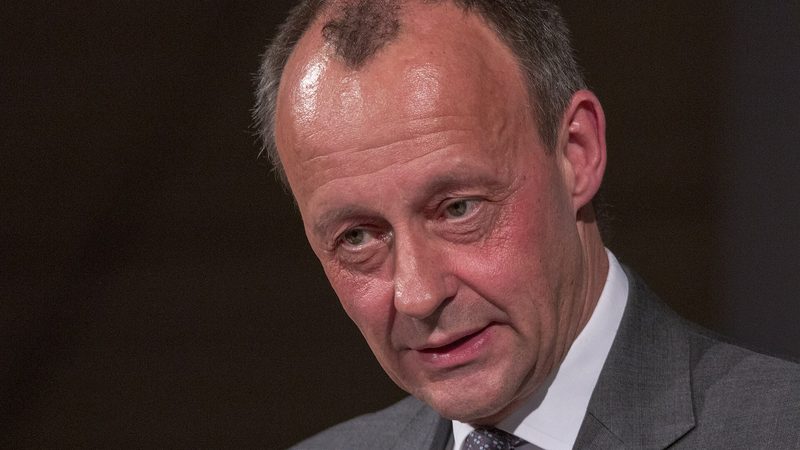 Merz and the SPD agree an electricity tax cut overnight
The cut is funded for 2027 only, with the budget vote due next week; our forecast leaves the Union and SPD 65 seats short of a majority.
 Abascal claims three big parties as Vox holds 67 seats
Vox is on 19.1% and 67 seats in our projection, double its 2023 total, and Feijóo would need its votes to govern.
 Jetten's cabinet survives four days of crisis talks with the VVD
D66, the VVD and the CDA will carry on together, but our forecast gives the three parties 43 seats, far short of the 76 needed.