
Two-party Britain was declared dead. The polls say it may only have been resting
Labour and the Conservatives fell to 37% between them in our polling average this spring, twenty points below their worst general election. By October they were back to 50%. On our seat model that is enough to give them about three seats in every four, and Reform UK, which led for a year, would be down to a few dozen.
 Polling Forecast
6 min read
data as of 2 November
Written in house from our poll data and our forecast.
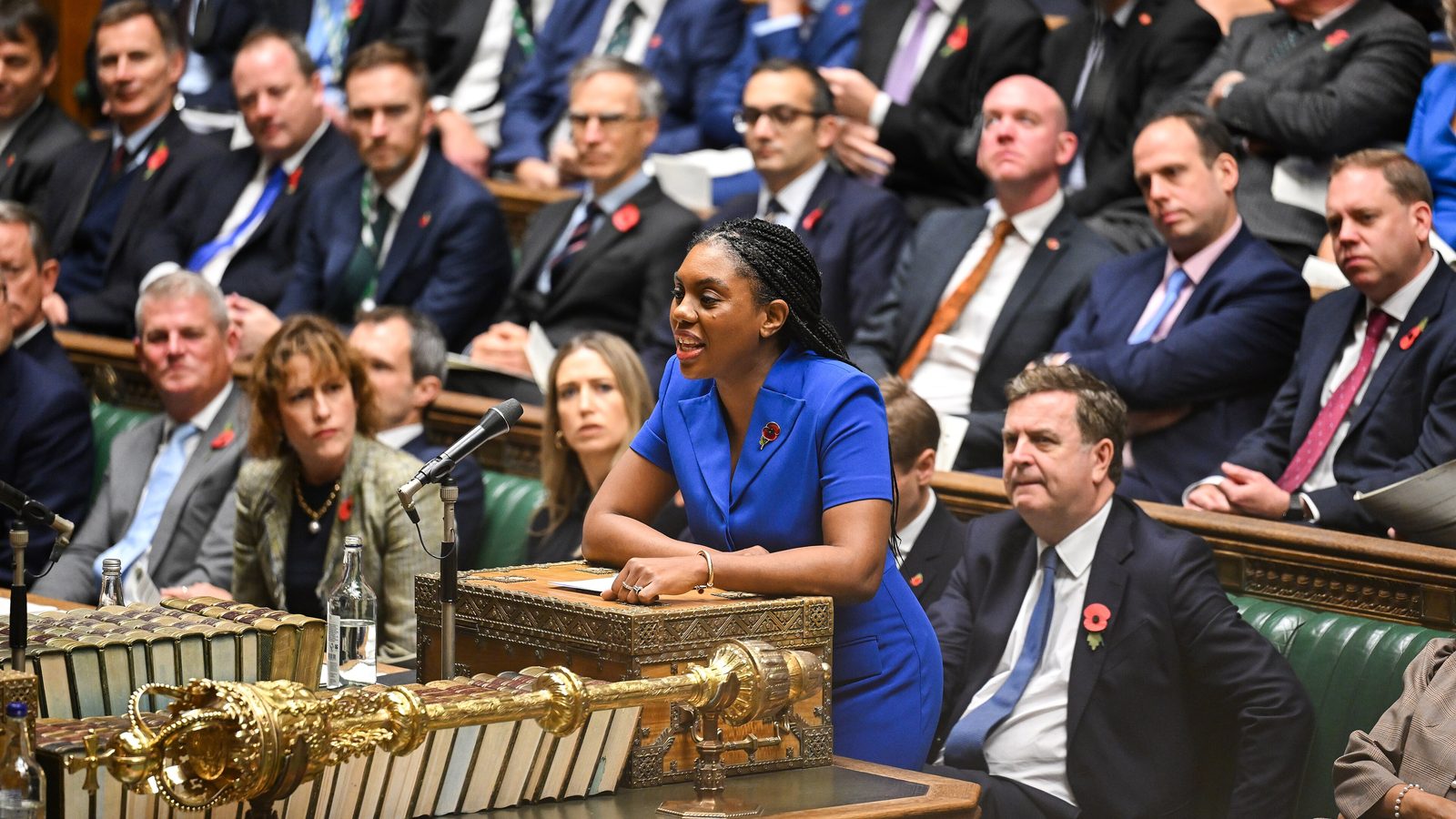

After the 2024 election, the obituaries for two-party Britain were written quickly. Labour and the Conservatives took 57.4% of the vote between them, the lowest combined share since 1918. In the May 2025 local elections John Curtice put Reform UK on 30% of a projected national vote, with Labour on 20% and the Conservatives on 15%: the two old parties together below half for the first time. Rob Ford said no third party had ever dominated local elections like that. Luke Tryl of More in Common said the era of multi-party politics had "well and truly arrived".
Twelve months later it looked even more settled. The BBC's projection from the May 2026 locals had Reform on 26%, the Greens on 18%, and Labour and the Conservatives on 17% each, with the Liberal Democrats on 16%: five parties within ten points. The Greens won Hackney, Waltham Forest, Norwich and Hastings. Labour lost power in Wales for the first time since 1999.
Six months on, the national polls tell a different story.
What has happened since the spring
Our average of standard voting-intention polls, month by month (GB, all pollsters, each poll counted once):
- September 2025: Reform 30.8%, Labour 21.1%, Conservatives 17.2%, Lib Dems 13.2%, Greens 9.9%. Labour and the Conservatives together: 38.3%.
- March 2026: Reform 26.2%, Labour 18.5%, Conservatives 18.2%, Greens 16.3%, Lib Dems 12.0%. Together: 36.7%, the low point.
- July 2026: Reform 24.5%, Labour 22.7%, Conservatives 20.0%, Greens 12.4%. Together: 42.7%.
- October 2026: Labour 28.6%, Reform 22.3%, Conservatives 21.4%, Lib Dems 9.7%, Greens 9.2%. Together: 50.0%.
In seven months Reform has lost about eight points from its peak and the Greens about seven. Almost all of it has gone to the two parties that were supposed to be finished.
Three things explain most of it. Labour changed leader: Andy Burnham won the Makerfield by-election in June, Keir Starmer resigned four days later, and Burnham became Prime Minister on 20 July unopposed. Labour's average has gone from about 19% under Starmer to nearly 29%. In October Burnham's party held Holborn and St Pancras, Starmer's old seat, against the Green leader Zack Polanski himself, by 45% to 33%.
Reform has had a bad summer. The stories about a £5 million gift to Nigel Farage from the crypto investor Christopher Harborne, a second disputed donation and an undercover sting that cost two senior aides their jobs ran from July to the party conference. Farage resigned and re-fought Clacton in August; he won, but against no Labour or Conservative candidate. Rupert Lowe's Restore Britain, registered in February, now takes several points from the same voters where pollsters prompt for it.
The Greens peaked in March, at 21% in some polls, and have fallen since: the Holborn defeat, a row over a conference motion on Zionism, and personal ratings for Polanski that Ipsos put at minus 36 in October, a record low for him.
What first past the post does with 50%
The vote shares only tell half of it. Britain's voting system pays the two biggest parties a bonus for being big, and that bonus grows quickly once they are clear of the field.
Here is our projection of the House of Commons at four points this year and last:
- 1 August 2025: Reform 287 seats, Labour 173, Lib Dems 78, Conservatives 39.
- 2 January 2026: Reform 286, Labour 132, Lib Dems 77, Conservatives 66.
- 1 May 2026: Reform 216, Labour 164, Conservatives 92, Lib Dems 78.
- 2 November 2026: Labour 326, Conservatives 148, Lib Dems 72, Reform 35.
A year ago Reform was on course for the largest party and Labour and the Conservatives together would have had 212 seats. Today they would have about 475 of 650. Fifty per cent of the vote gives them almost three quarters of the seats. In 2024, 57% gave them 532 seats, 82% of the Commons.
This is the squeeze that has killed every challenger before. A party on 30% wins seats everywhere. A party on 22% comes second in hundreds of seats and wins few of them. Curtice's warning about the Greens applies to Reform now: too many creditable second and third places.
We have been here before
Insurgent surges in Britain have a habit of peaking between elections:
- The SDP-Liberal Alliance reached 50.5% in a MORI poll in December 1981. At the 1983 election it won 25.4% and 23 seats; Labour, on 27.6%, won 209. The two big parties took 70% of the vote and 606 of 650 seats.
- Cleggmania put the Liberal Democrats on 34% in April 2010. They got 23.6%.
- UKIP reached 25% in October 2014, won 12.6% and one seat in 2015, and then 1.8% in 2017, when Labour and the Conservatives took 82.4% between them.
- The Greens hit 11% in January 2015 and got 3.8%.
- The Brexit Party won the European elections in May 2019 with 30.5% and led several Westminster polls that summer. In December it got 2%, and the two big parties 75.7%.
Each time, the argument at the peak was that this time the old order really was over. Each time a new leader or an election campaign put the question back to voters as a choice of government, and most of them chose one of the two parties that could form one.
Why it might not be that simple
Fifty per cent is a recovery, not a restoration. It is still seven points below 2024, which was itself a record low, and more than thirty below 2017. Reform on 22% is still more than UKIP ever won at a general election, and Reform and Restore Britain together still have more than a quarter of the vote. The Lib Dems hold 72 seats on our numbers on under 10% of the vote because they know where to stand.
The recovery is also young. Labour's half of it is about four months old and rests on a new Prime Minister's first months, which is when new Prime Ministers poll best. Burnham's honeymoon could fade the way Starmer's did.
Some of the change looks lasting. Political scientists such as Jane Green argue that British politics is now a contest between two blocs, a left and liberal one and a right and populist one, and that most voters move within their bloc rather than across it. On that reading, Labour and the Conservatives have won back their blocs for now, not seen off the challengers in them. And the young have not come back: in polling reported by the New Statesman in September, 72% of under-30s said they would consider Labour, the Greens or the Lib Dems, but the share who would consider the Greens has risen from 19% in 2024 to 33%, while Labour's has fallen from 41% to 28%.
Tactical voting could cut both ways. In a More in Common poll in March, 38% said they would vote tactically to stop Reform, up nine points since November. That helps whichever party is best placed to beat Reform in a seat, and in much of the country that is still Labour or the Conservatives.
What we are watching
Three numbers will tell us whether this is a return to two-party politics or a pause in its decline:
- The combined Labour and Conservative share. If it holds above 50% into next year's local elections, the recovery is more than a honeymoon.
- Reform below 20%. Under that line, on our model, it wins very few seats.
- The Greens in single figures. They were in single figures for most of their history. If they stay there, 2026's surge looks like 2015's.
Our projection changes as each poll comes in, and you can test what happens if the polls are wrong the way they have been before on What if the polls are wrong?. Two-party politics is not back. The two parties, for the moment, are.
Polling Forecast reads every poll in ten countries, corrects for how pollsters have missed before, and turns them into seats. Our forecasts, the polls and our methods are free to explore.
Elsewhere on Polling Forecast
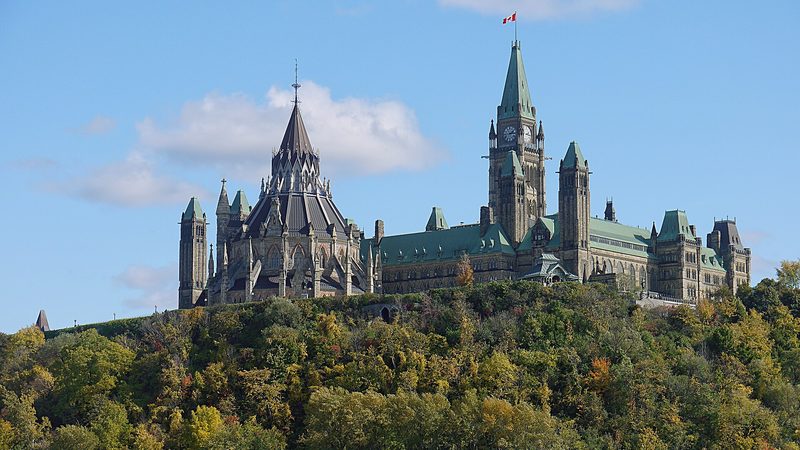 Six by-elections on 7 December, and Brantford is the one that could change hands
Mark Carney has called six federal by-elections for the same day. Five look safe for the party that held them. In Brantford–Brant South, a Conservative seat, our projection has the Liberals narrowly ahead.
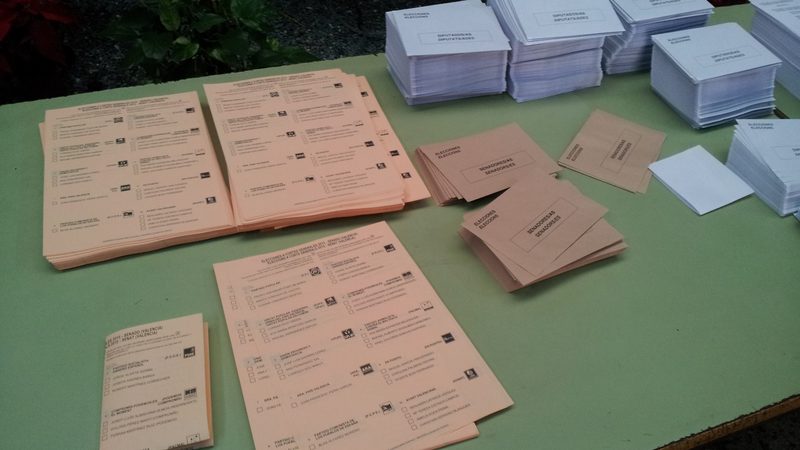 Spain's campaign opens with the right ahead. What would it take for Sánchez to survive?
Every private poll has the PP first and the PP and Vox together past the 176 line. The Socialists need a recovery bigger than any Spanish election has produced in the last two weeks of a campaign, or a polling miss bigger than 2004's.
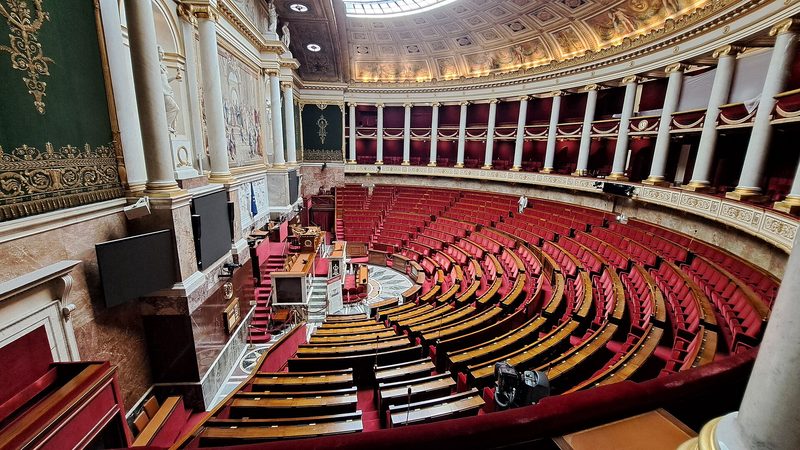 Marine Le Pen's most dangerous opponent is a court date on 16 December
She leads every poll by around sixteen points and wins every run-off pollsters test. The only thing in her way is the Cour de cassation, and its timetable could run right up to the first round.