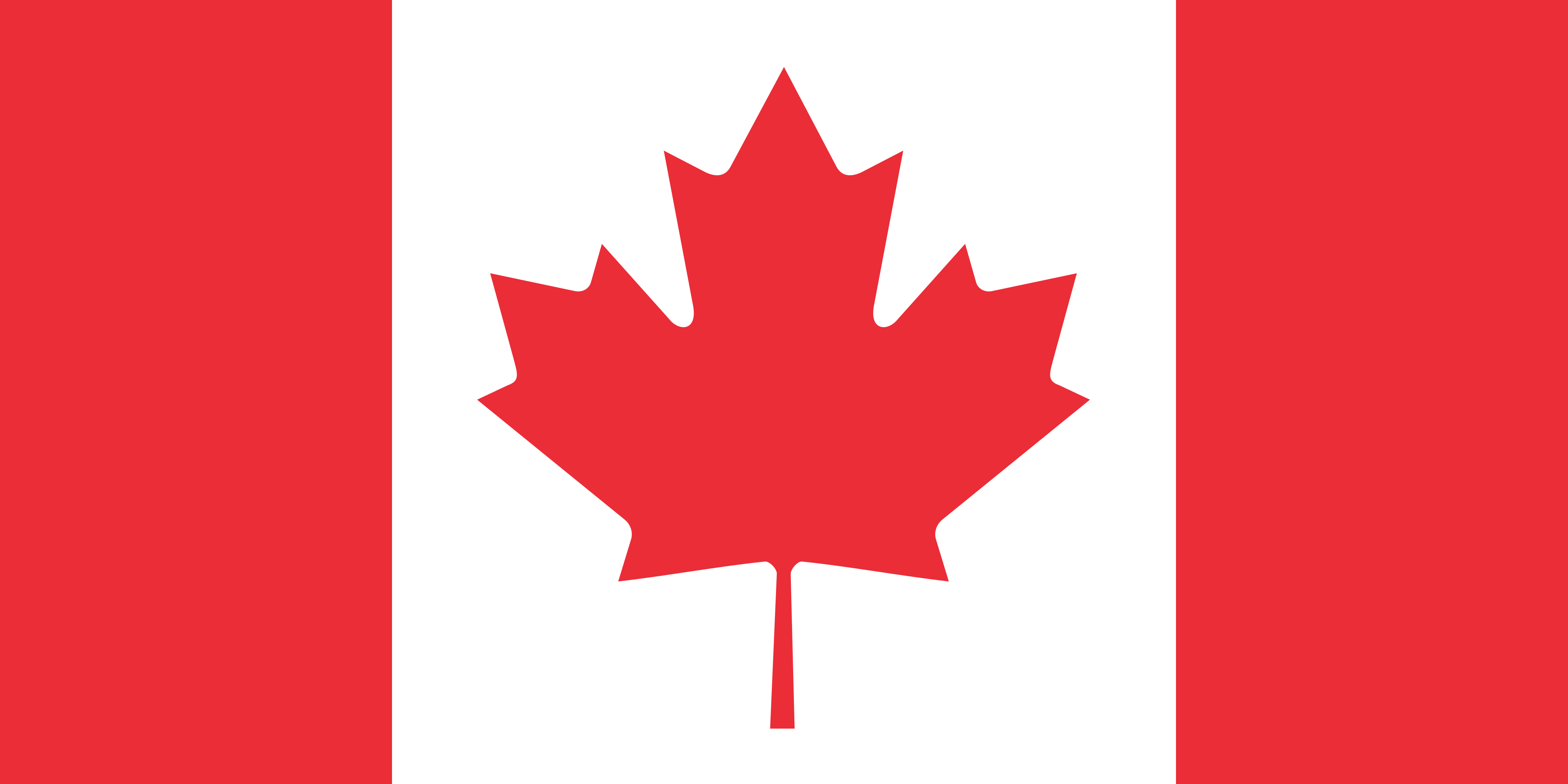
Liberals lead by 15 and 22 points in two new polls
The Liberals are on 47 in our average, up 0.5, and our forecast gives them a majority in over 99 percent of simulations.
 Polling Forecast
2 min read
data as of 17 October
Written in house from our poll data and our forecast.


Two national polls were published in Canada in the week to 21 October, and both had the Liberals well ahead. Our average has the Liberals on 47 percent, up 0.5 points over the last week of polling, and the Conservatives on 30.1, up 0.6. The NDP fell 1.1 points to 11.5. The Bloc is on 5.9, unchanged, the Greens on 2.7, up 0.4, and the PPC on 1.5.
Nanos and Liaison Strategies
Nanos Research, with fieldwork ending on 16 October, had the Liberals on 50.6 and the Conservatives on 28.3, a lead of 22.3 points. Its Liberal figure was 3.6 points above our average, and its Conservative figure 1.8 points below. Nanos has tended to show the Conservatives 1.9 points lower than other pollsters and the NDP 2.2 points higher, both clear differences across 76 polls. With its usual differences taken off, its poll reads Liberals 51.2, Conservatives 30.2 and NDP 9.3, a lead of 21 points.
Liaison Strategies, finishing on 17 October, had a narrower lead of 15 points: Liberals 45, Conservatives 30. It had the NDP on 14, 2.5 points above our average, and that is partly its usual pattern. Across 56 polls it has tended to show the NDP 1.5 points higher and the Liberals 1.1 points lower than other pollsters. Like for like, its poll reads Liberals 46.1, Conservatives 30.7 and NDP 12.5, a lead of 15.4 points.
The two polls agree on the order of the parties and on the Conservatives, who are close to 30 in both once their usual differences are taken off. They differ on the size of the Liberal lead by more than the normal scatter of a single poll, which is about 3 points on a party's share 19 times in 20. Both had the Bloc on about 6.
Our forecast
Our projection gives the Liberals 242 seats, up from 169 at the last election and well past the 172 needed for a majority. The Conservatives would fall to 67 from 144, the Bloc would have 21, the NDP 11 and the Greens 2.
The Liberals win a majority in over 99 percent of our simulations. The NDP reaches 12 seats, the number needed for official party status, in 39 percent of them, against 11 in our projection.
The next general election is set for 15 October 2029, 1,090 days away. Our average draws on 12 polls published in the last 30 days.
Polling Forecast reads every poll in ten countries, corrects for how pollsters have missed before, and turns them into seats. Our forecasts, the polls and our methods are free to explore.
Elsewhere on Polling Forecast
 When the polls agree too much: herding, and how our forecast guards against it
Polls of a close race should scatter by chance. In 2024 they barely did. Here is why that matters, and the four things our model does so a pack of look-alike polls cannot make it overconfident.
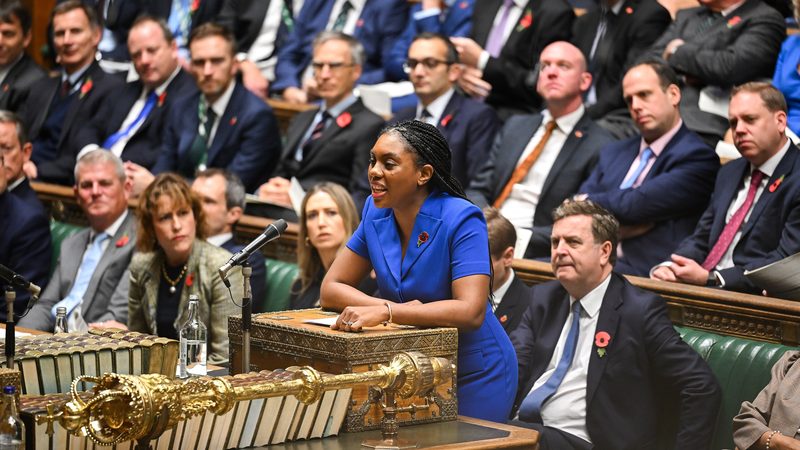 353 seats? The mega-poll's Labour majority comes from a split right, not tactical voting
Run the mega-poll's own vote shares through our model and Labour still gets 358 seats. The difference from our 316 is a weaker Conservative Party and a stronger Restore Britain, not the tactical voting the coverage focused on.
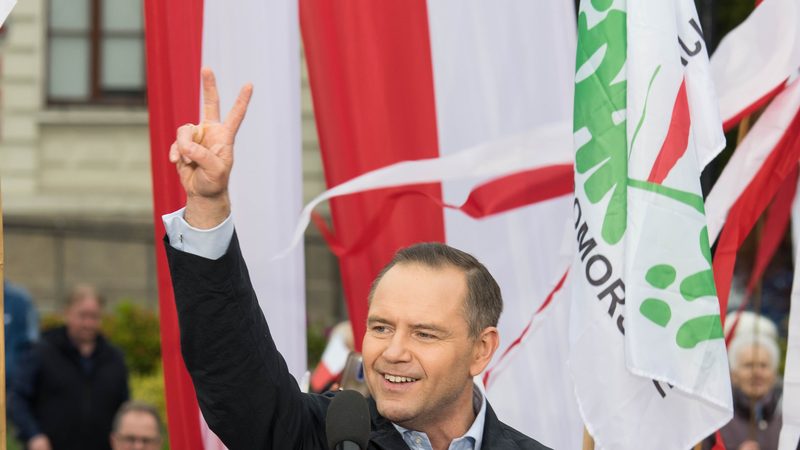 Polls understated PiS in 31 of 32 final surveys since 2024
At four national votes since Tusk took office, final polls put PiS or its candidate too low. Our forecast makes no allowance for it.