Stop watching the early vote. It won't tell you who wins
Read as results, early-vote party splits missed by 11 points on average across 75 races since 2016. The polls missed the same races by 4.
 Polling Forecast
3 min read
data as of 22 October
Written in house from our poll data and our forecast.
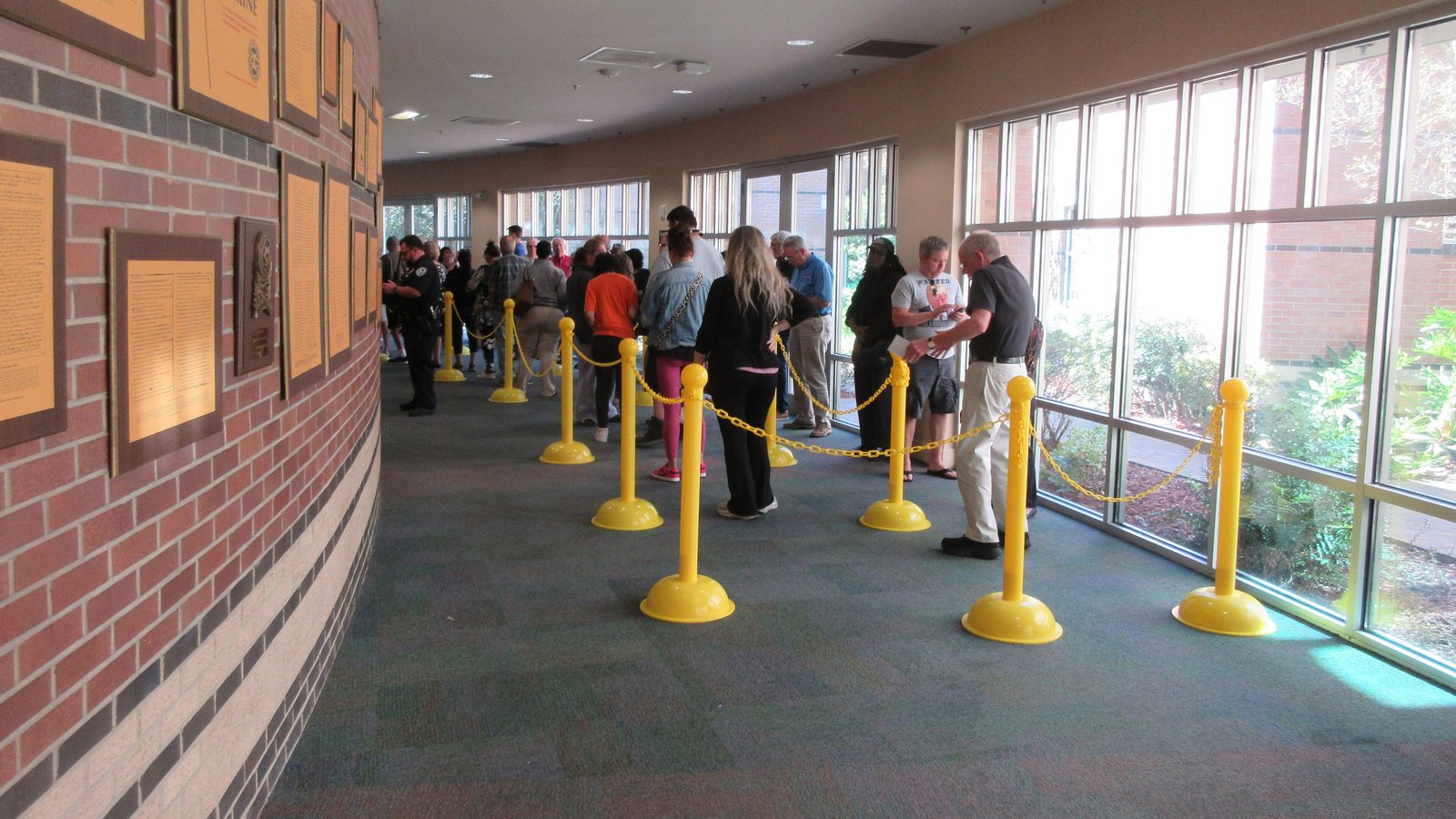

Every October the early-vote numbers arrive and the headlines follow. This week it was Georgia, where ABC News reported that the early vote is about 18 points more Democratic than at this point in 2024. Last cycle the same kind of numbers had Republicans "winning the early vote." Neither tells you who will win.
We tested it. We took the party split of the early vote on the eve of the election in 75 Senate, governor and presidential races from 2016 to 2024 and read each one as a result. On average it missed the final margin by 11 points, and it ran 7.5 points too Democratic. In the 58 of those races that also had polls, the early vote missed by 10.7 points. Our final poll average missed by 4.1.
The misses are not small
In Pennsylvania's 2022 Senate race, registered Democrats led the early vote by 48 points. John Fetterman won by 5. In Iowa that year, Democrats led the early vote by 19 points, and Chuck Grassley won by 12. In Kentucky in 2020, Democrats led the early vote by 12 points. Donald Trump carried the state by 26. In Louisiana's 2022 Senate race the early vote was almost level. John Kennedy won by 44.
These are not freak results. They are what happens when you read a count of ballots as a count of votes.
Why it fails
An early-vote report tells you who has voted, by the party they registered with. It does not tell you how they voted, and it does not tell you who is still to vote.
The bigger problem is that each party's voters choose different ways to vote, and those choices change from one election to the next. In 2024, Pew found Democrats won mail ballots by 24 points while Republicans won Election Day by 16. When Republicans move from voting early back to voting on the day, the early vote turns more Democratic without a single voter changing their mind. That is most of what this year's "Democratic wave" in the early vote shows.
Registration moves too. Many registered Democrats in states like Kentucky and West Virginia have voted Republican for years, and party registration in several states has shifted since 2022.
Fixing it doesn't help
We tried to correct for all of that. Adjusting each state's early vote by how far off it was at the previous comparable election still left an average miss of 7 points. Simply assuming each state would vote the same way as last time, with no 2026 information at all, missed by less: 4.7 points.
We also tried adding the early vote to the polls. Across states it added nothing the polls did not already know. And when the early vote changed from one election to the next, the result did not follow: the link between the two was weak at best.
Not even turnout
Surely the early vote at least tells you how many people will vote? Barely. Estimating each state's final turnout from its early count did little better than assuming the same turnout rate as at the last comparable election, and when the type of election changed, from a presidential year to a midterm, it was far worse. The share of the vote cast early swings too much: from 62% in a typical state in 2020 to 35% in 2022 and 48% in 2024.
What to watch instead
Our forecast does not use the early vote, and it will not. With 12 days to go, the polls in each race are still the best guide, and our forecast shows how far they could be off. The early vote becomes useful on election night, when the counted ballots tell you how many are still to come in. Until then, it is a turnout chart dressed up as a scoreboard.
Polling Forecast reads every poll in ten countries, corrects for how pollsters have missed before, and turns them into seats. Our forecasts, the polls and our methods are free to explore.
Elsewhere on Polling Forecast
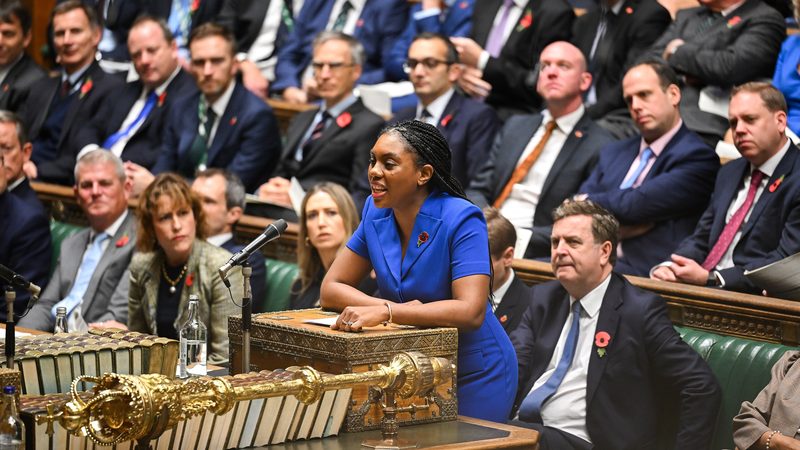 353 seats? The mega-poll's Labour majority comes from a split right, not tactical voting
Run the mega-poll's own vote shares through our model and Labour still gets 358 seats. The difference from our 316 is a weaker Conservative Party and a stronger Restore Britain, not the tactical voting the coverage focused on.
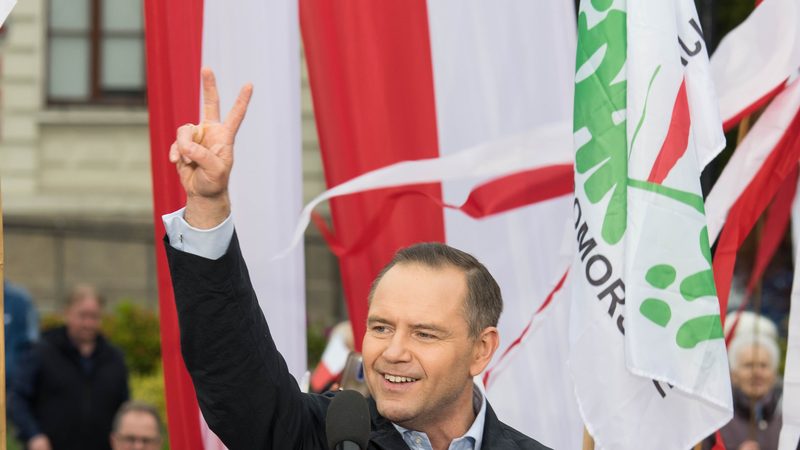 Polls understated PiS in 31 of 32 final surveys since 2024
At four national votes since Tusk took office, final polls put PiS or its candidate too low. Our forecast makes no allowance for it.
 Private polls understated Spain's PSOE at six of eight elections
104 of 142 private final polls since 2004 had the PSOE too low, but even a repeat of 2023 would probably leave the PP and Vox a majority.