Finance Bill clears the Commons as Labour's average slips
The bill that puts John Healey's Budget into law passed its second reading by 311 votes to 164; our forecast has Labour eight seats short of a majority.
 Polling Forecast
3 min read
data as of 25 November
Written in house from our poll data and our forecast.
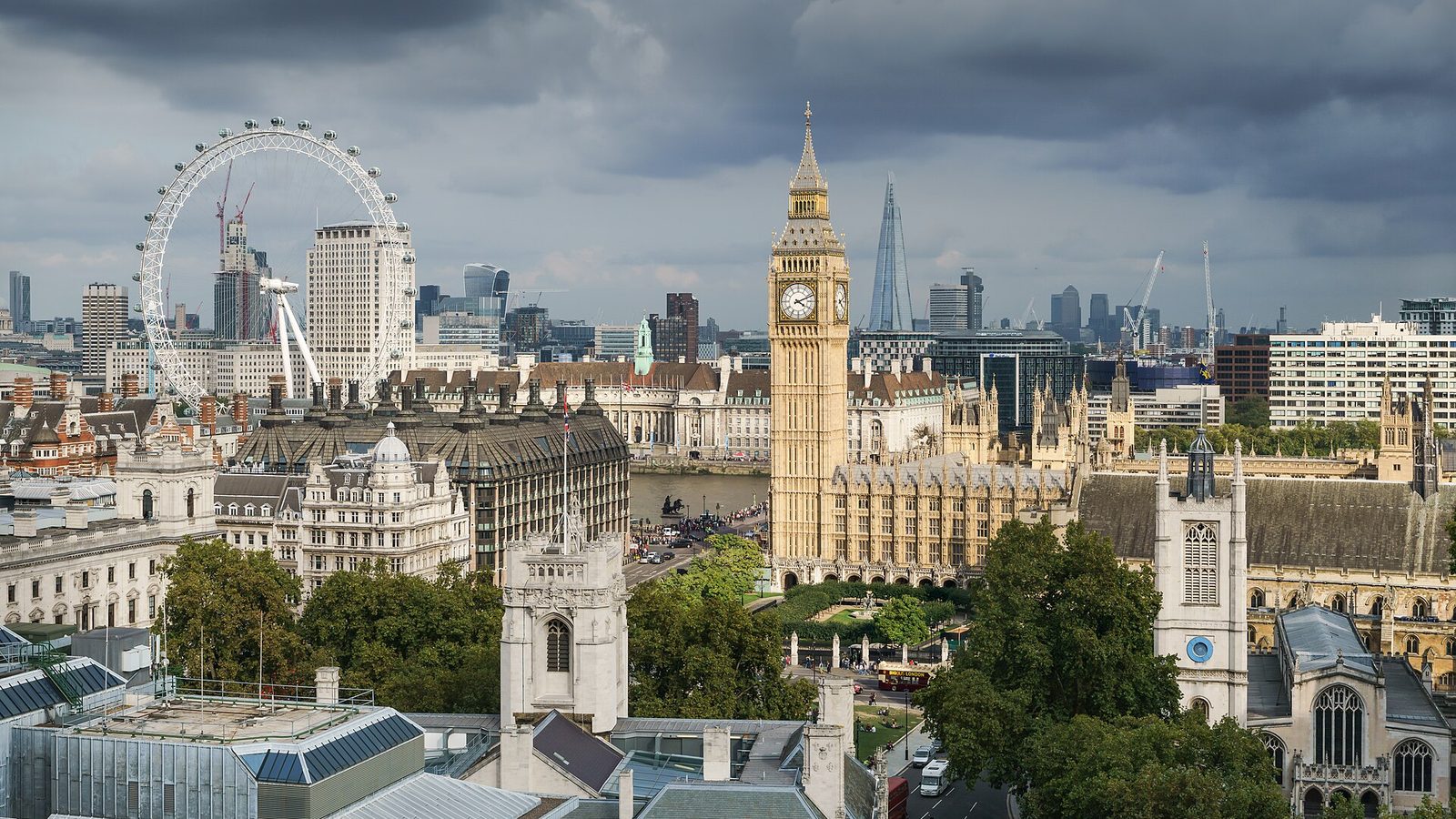
The Finance Bill, which puts the October Budget into law, passed its second reading on Monday by 311 votes to 164, a majority of 147 (Ayes and Noes). Conservative, Lib Dem and Reform UK MPs voted against. A Conservative reasoned amendment calling for tax cuts was defeated by 317 votes to 98 (DM News).
What the bill does
The bill carries the measures John Healey announced in his first Budget as chancellor on 28 October, when the Office for Budget Responsibility put the government's headroom at £15bn in 2029-30 (ITV News). They include VAT on taxi and private-hire fares from 2 January 2028, with a proposed turnover threshold of £50m, and an excise duty on electric vehicles from April 2028 (DM News).
Three groups tabled alternatives. The Conservatives, through the shadow chancellor Andrew Griffith, wanted tax cuts. The Lib Dems, through Daisy Cooper, proposed a £15,000 personal allowance. A group of independents including Jeremy Corbyn proposed a 2% tax on assets above £10m (Hansard Society). The bill goes to a committee of the whole House on 30 November and 1 December.
What the polls say
Our poll average has Labour on 28.5%, down 0.8 points over the last week of polling. The Conservatives are on 22.2, unchanged, and Reform UK on 21.8, up 0.7. The Lib Dems are on 9.5 and the Greens on 9.2.
The newest polls differ more on the size of Labour's lead than on who is ahead. YouGov, taken on 22 and 23 November, has Labour on 25 with the Conservatives and Reform level on 22 (YouGov). More in Common, finished the same day, has Labour on 28, the Conservatives 25 and Reform 21. Opinium, taken from 18 to 20 November, had Labour on 30 and Reform on 22 (Opinium). Part of that spread is each pollster's usual pattern: in our data YouGov has tended to show Labour 1.6 points lower than other pollsters, and More in Common has tended to show the Conservatives 1.7 points higher.
Ipsos published a different measure on Tuesday. In fieldwork from 6 to 9 November, 59% of people had an unfavourable view of Reform UK, the highest Ipsos has recorded, and 62% had one of Nigel Farage. Asked to choose between parties under named leaders, 53% picked a Burnham-led Labour Party and 26% a Farage-led Reform UK (Ipsos).
What our forecast says
On these numbers our forecast gives Labour 318 seats, eight short of the 326 needed for a majority and 93 fewer than it won in 2024. It is the largest party in 92% of our simulations, and any party wins a majority in 35%. The Conservatives would have 159 seats, the Lib Dems 70, Reform 33 and the SNP 29.
Monday's vote does not enter those figures: our forecast reads the polls, not the division lobbies. What the two together show is the distance between Labour's position in the current Commons, where it won 411 seats in 2024, and its position in our projection. The next election is not due until August 2029 at the latest, 994 days away, and the spread between pollsters, from 25 to 30 for Labour in polls finished since 18 November, is wider than the week's change in our average.
Polling Forecast reads every poll in ten countries, corrects for how pollsters have missed before, and turns them into seats. Our forecasts, the polls and our methods are free to explore.
Elsewhere on Polling Forecast
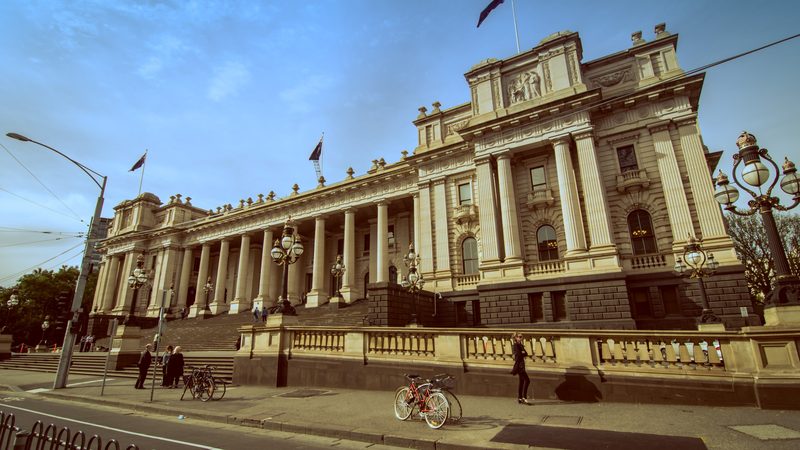 Parliament House, Melbourne
Victoria's final polls put One Nation second and Labor third
Resolve, YouGov and Roy Morgan all have the Coalition ahead three days before the vote; two of them have One Nation ahead of Labor.
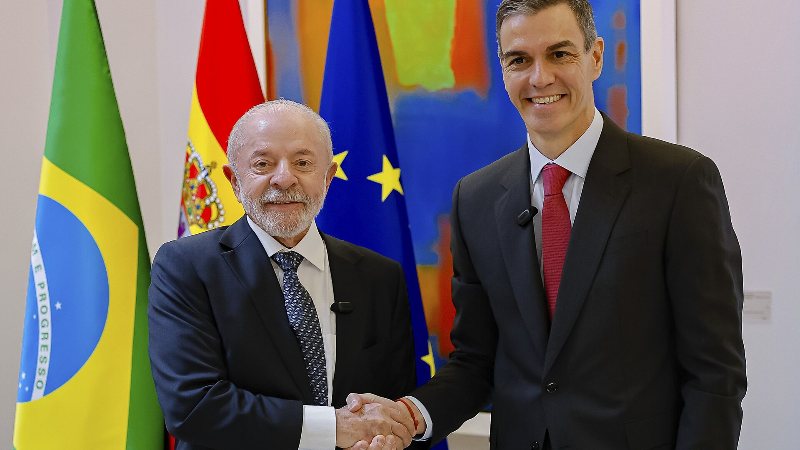 Pedro Sánchez meets Brazil's president, 16 November 2026
Spain's four-way debate is the campaign's last big test
With polls banned until Sunday, Thursday's debate is the last set piece; our forecast gives the PP and Vox a majority in 96% of simulations.
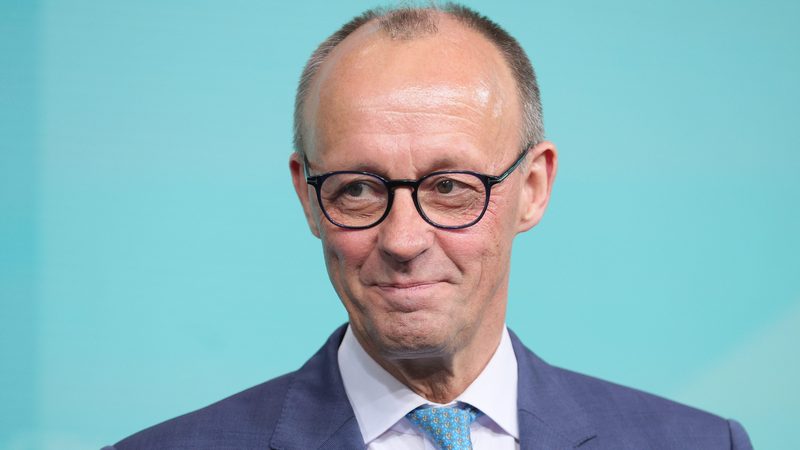 Friedrich Merz on election night, February 2025
Merz defends a record budget as the AfD attacks it
In the Bundestag's general debate the chancellor said the budget won no beauty prize; the AfD leads his Union by 5.6 points in our average.