
Most Germans say no party can fix the country, and the AfD is the one gaining from it
Forsa has the AfD seven points clear of the Union again, and only one voter in seven names any party as able to solve Germany's problems. The next big test of the coalition is not an election but the choice of a president in January.
 Polling Forecast
3 min read
data as of 11 November
Written in house from our poll data and our forecast.
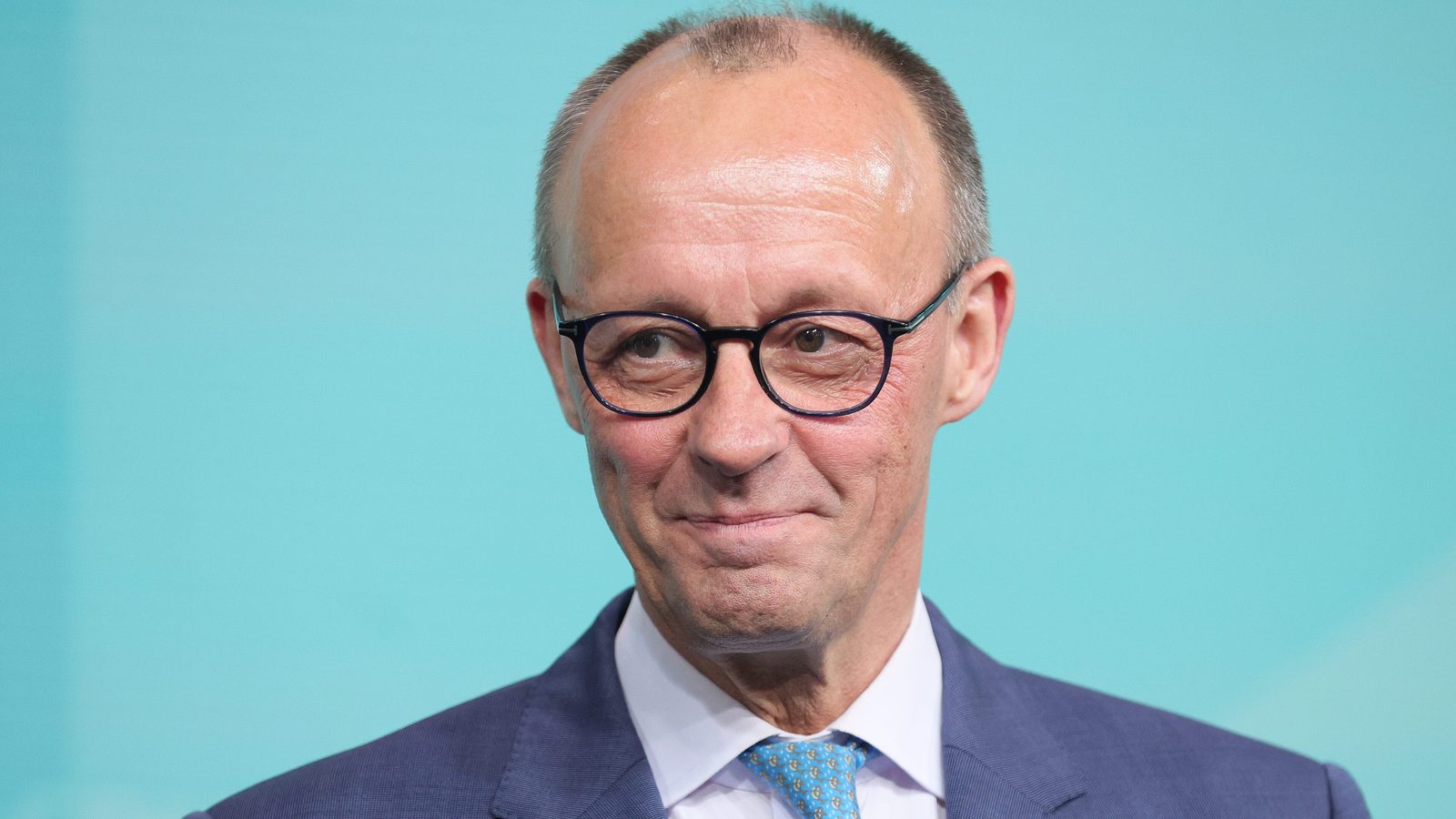

The headline numbers have barely moved for two months, and that is the story. Forsa's latest for RTL and ntv, taken on 3-9 November, has the AfD on 27%, up a point, the CDU/CSU on 20, the Greens 16, the SPD 13 and Die Linke 11. The FDP is on 4% and the BSW not listed separately. More than a quarter of respondents are undecided or would not vote (DAWUM).
INSA, which runs higher for the AfD than other institutes, had it on 30% for the first time in early October and on 29% a week later, with the Union on 18%, its lowest in INSA's polling (t-online).
On our numbers the AfD would win 199 of the Bundestag's 630 seats. That is far from a majority, and every other party rules out governing with it, so the arithmetic points to one coalition: CDU/CSU, SPD and Greens, which reaches a majority in 97% of our simulations.
The number that matters more than the AfD's
In the same Forsa series, taken on 20-26 October, 57% said no party could solve Germany's problems. The AfD was named by 14%, the Union by 10%, the Greens by 6 and the SPD and Linke by 5 each. And 86% were dissatisfied with Friedrich Merz's work as chancellor, against 12% satisfied (Tagesspiegel).
That is the soil the AfD grows in. It is not mainly that voters think it has the answers; one in seven is hardly a mandate. It is that a majority think nobody does, and the AfD is the only large party that was never part of the governments they blame. In September it took 38.2% in Mecklenburg-Western Pomerania, where the CDU fell to 4.9% and out of the state parliament.
January's test
The Federal Assembly meets on 30 January 2027 to choose Frank-Walter Steinmeier's successor. The Union has settled on Ilse Aigner, the president of the Bavarian Landtag, put forward by Markus Söder in the spring. The SPD's Hubertus Heil has praised her; the Greens have stayed out of the speculation; Alice Weidel has said Aigner is "not electable" for the AfD (ZDF).
The Assembly is made up of the Bundestag and an equal number of delegates from the Länder, so the AfD's state gains count. In the first two rounds a candidate needs an absolute majority; in the third, the most votes. An Aigner elected comfortably by Union, SPD and Greens would be the first time the three parties of the coalition our model keeps pointing to have voted together on something that big. An Aigner forced to a third round would be a warning.
What else is moving
The Greens are the steadiest party in the polls, at 14% to 17%, and they are the party the Union would most likely need. Die Linke, at 10% to 12%, is in exploratory coalition talks in Berlin. And the FDP and BSW, on 3% to 4%, are both just under the 5% line; either one back in the Bundestag would cut the majority of every coalition on our map.
The AfD's lead looks stuck at seven to ten points. What would change our forecast is not the AfD reaching 30% in another poll, but the Greens and SPD falling together, because that is the only way the one coalition without the AfD stops adding up.
Polling Forecast reads every poll in ten countries, corrects for how pollsters have missed before, and turns them into seats. Our forecasts, the polls and our methods are free to explore.
Elsewhere on Polling Forecast
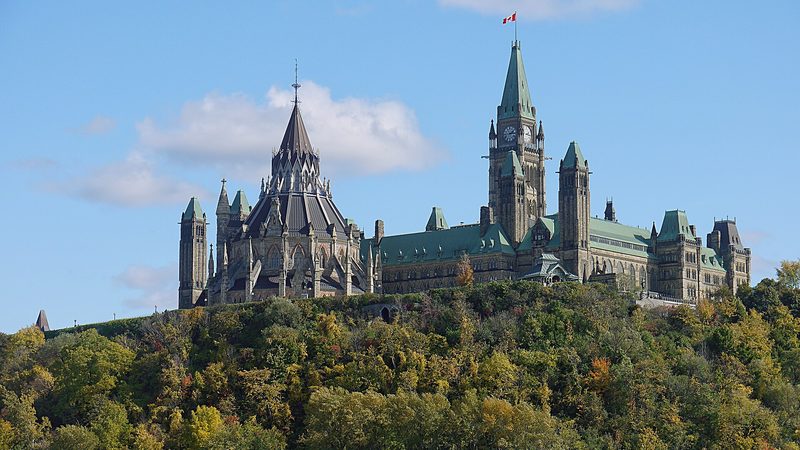 Six by-elections on 7 December, and Brantford is the one that could change hands
Mark Carney has called six federal by-elections for the same day. Five look safe for the party that held them. In Brantford–Brant South, a Conservative seat, our projection has the Liberals narrowly ahead.
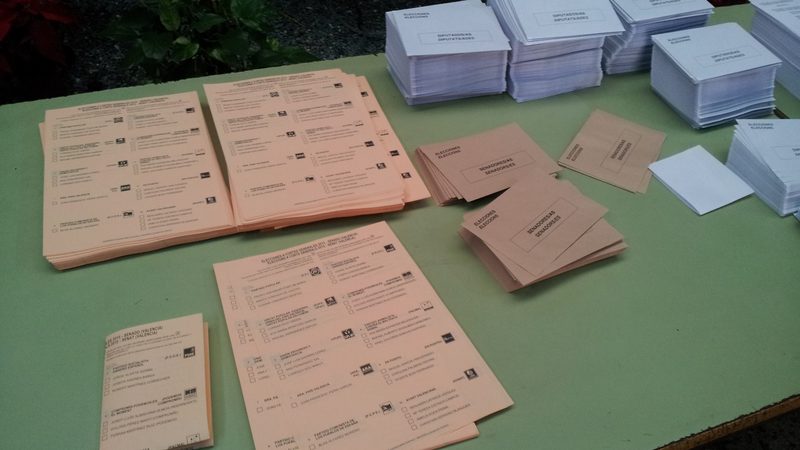 Spain's campaign opens with the right ahead. What would it take for Sánchez to survive?
Every private poll has the PP first and the PP and Vox together past the 176 line. The Socialists need a recovery bigger than any Spanish election has produced in the last two weeks of a campaign, or a polling miss bigger than 2004's.
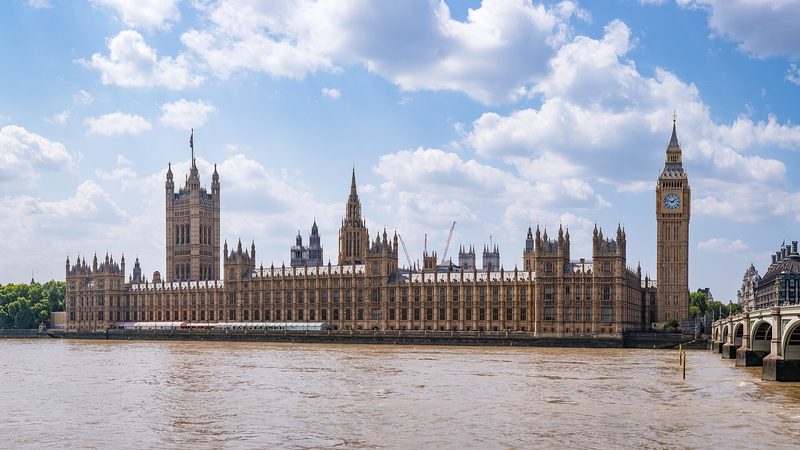 Labour is back at the edge of a majority, and the race for second place has reset
Labour's lead is the widest YouGov has measured since it restarted its tracker. The Conservatives' autumn climb has stalled, Reform is at its joint lowest, and the order behind Labour now decides dozens of seats.