2028 Republican primary forecast
Marco Rubio wins the Republican nomination in 47% of our simulated races, Ron DeSantis in 19%. The first contest is Iowa on 17 January 2028, 451 days away, and nobody major has declared, so these chances are wide: the tabs show the race with other fields.
Chance of winning the nomination without jd vance; 5,000 simulated races
| Candidate | Poll average | Chance of the nomination | Delegates, average | Wins Iowa | Wins New Hampshire |
|---|---|---|---|---|---|
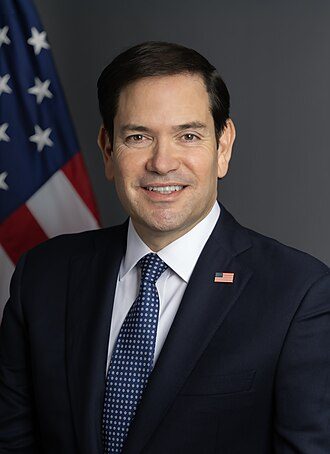 Marco Rubio |
20.1% | 47% | 1,108 | 40% | 42% |
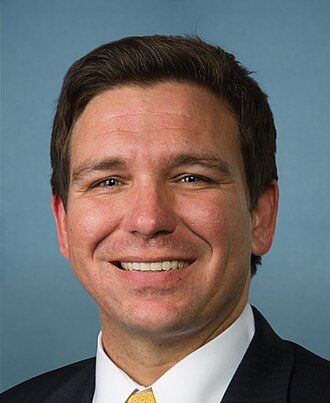 Ron DeSantis |
7.2% | 19% | 450 | 19% | 19% |
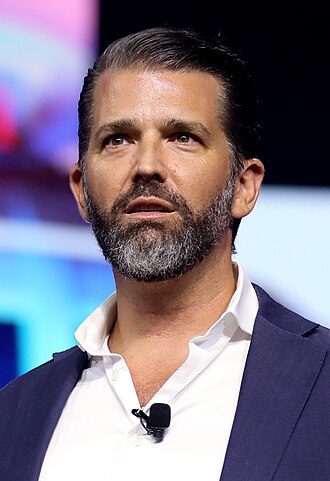 Donald Trump Jr. |
6.9% | 18% | 436 | 18% | 19% |
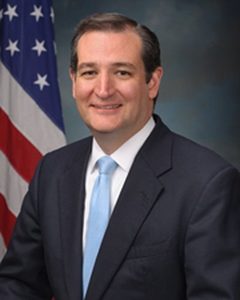 Ted Cruz |
3.1% | 7% | 185 | 10% | 8% |
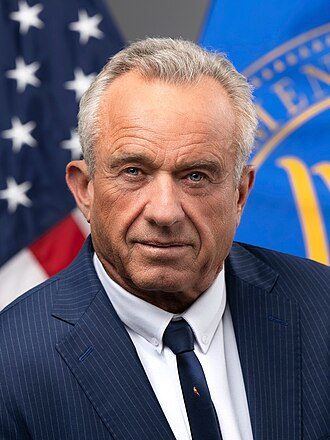 Robert F. Kennedy Jr. |
2.4% | 5% | 140 | 8% | 7% |
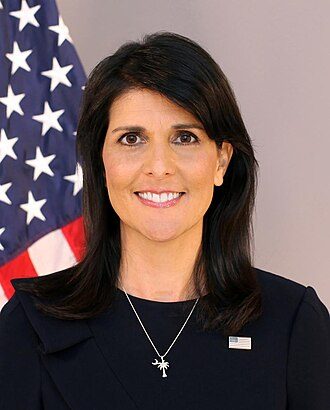 Nikki Haley |
1.9% | 4% | 110 | 6% | 5% |
Poll average: each pollster's latest national Republican primary poll in the 120 days to 19 October 2026 (13 polls), as polled; the model shares out the undecided and anyone left out of the field. No one reaches the 1,215 pledged delegates needed in 5% of simulations: a contested convention, counted here for whoever holds the most delegates.
The first contests
-
Iowa
17 Jan 2028 · caucus · 40 delegates
- Marco Rubio 40%
- Ron DeSantis 19%
- Donald Trump Jr. 18%
-
New Hampshire
25 Jan 2028 · primary · 22 delegates
- Marco Rubio 42%
- Donald Trump Jr. 19%
- Ron DeSantis 19%
-
Nevada
10 Feb 2028 · caucus · 26 delegates
- Marco Rubio 42%
- Ron DeSantis 20%
- Donald Trump Jr. 18%
-
South Carolina
26 Feb 2028 · primary · 50 delegates
- Marco Rubio 44%
- Ron DeSantis 18%
- Donald Trump Jr. 17%
-
Michigan
29 Feb 2028 · primary · 55 delegates
- Marco Rubio 45%
- Ron DeSantis 19%
- Donald Trump Jr. 18%
-
Idaho
4 Mar 2028 · caucus · 32 delegates
- Marco Rubio 45%
- Ron DeSantis 19%
- Donald Trump Jr. 18%
The Republican early order as the RNC approved it in September 2026: Iowa, New Hampshire, Nevada, South Carolina; their 2028 dates are not set, so we use 2024's moved to the same weekday. Other states' dates, delegates and allocation rules are 2024's until the 2028 ones are set.
The polls
| Pollster | Ends | Leading names |
|---|---|---|
| Echelon Insights | 19 Oct 2026 | JD Vance 38 · Marco Rubio 20 · Ron DeSantis 12 · Donald Trump Jr. 7 |
| Noble Predictive Insights | 7 Oct 2026 | JD Vance 44 · Marco Rubio 18 · Ron DeSantis 8 · Ted Cruz 5 |
| Focaldata | 5 Oct 2026 | JD Vance 38 · Marco Rubio 24 · Ron DeSantis 9 · Donald Trump Jr. 7 |
| Harvard / Harris | 28 Sep 2026 | JD Vance 39 · Donald Trump Jr. 24 · Marco Rubio 17 · Robert F. Kennedy Jr. 9 |
| McLaughlin & Associates | 22 Sep 2026 | JD Vance 35 · Marco Rubio 15 · Donald Trump Jr. 14 · Ron DeSantis 6 |
| Echelon Insights | 21 Sep 2026 | JD Vance 38 · Marco Rubio 20 · Ron DeSantis 8 · Donald Trump, Jr. 6 |
| Clarity Campaign Labs | 16 Sep 2026 | JD Vance 35 · Marco Rubio 16 · Ron DeSantis 12 · Donald Trump Jr. 12 |
| Big Data Poll | 15 Sep 2026 | JD Vance 38 · Marco Rubio 16 · Ron DeSantis 8 · Nikki Haley 6 |
| Focaldata | 2 Sep 2026 | JD Vance 43 · Marco Rubio 21 · Ron DeSantis 9 · Donald Trump Jr. 7 |
| Bowling Green State University / YouGov | 1 Sep 2026 | JD Vance 44 · Marco Rubio 21 · Donald Trump Jr. 8 · Ron DeSantis 7 |
| Quantus Insights | 29 Aug 2026 | JD Vance 41 · Marco Rubio 29.1 |
| McLaughlin & Associates | 24 Aug 2026 | JD Vance 32 · Donald Trump Jr. 19 · Marco Rubio 12 · Ron DeSantis 6 |
| Echelon Insights | 17 Aug 2026 | JD Vance 39 · Marco Rubio 22 · Ron DeSantis 10 · Donald Trump, Jr. 8 |
| Focaldata | 11 Aug 2026 | JD Vance 42 · Marco Rubio 18 · Donald Trump Jr. 10 · Ron DeSantis 8 |
| McLaughlin & Associates | 21 Jul 2026 | JD Vance 35 · Donald Trump Jr. 16 · Marco Rubio 15 · Ron DeSantis 4 |
114 national Republican primary polls for 2028 so far, newest first; each opens its own page with the pollster's release.
How it works, and how well it has done
- The start. Each candidate's share in the national primary polls, among the field shown. How far that support can move before voting starts depends on the time left: measured on past races, it is wide a year or more out, so the chances stay spread out.
- State by state. Each state votes in calendar order with its own variation from the national picture (more at caucuses and in the first three contests), and a candidate's home state lifts them.
- Momentum and dropouts. Winning an early contest lifts a candidate's national support, most for those who started small; the others slip. Candidates far behind drop out, as they do in real races.
- Delegates. Republicans use each state's own rule: winner-take-all, winner-take-all above a share, or proportional above a threshold. The nominee is whoever wins a majority.
- The test. We ran the model on the open nomination races of 2004 to 2020, each time leaving that race out of the fitting. Before any votes it gave the eventual nominee 35 to 39% on average, a little better than taking poll shares as chances (30 to 36%); the poll leader a month before Iowa won 3 of 7. Started after the first eight dates, with the delegates already won, it gave the nominee 78% on average. Adding money raised (FEC filings) made the early forecast worse, so it is left out.
- Limits. A year and more before voting starts we widen the uncertainty beyond what the test covered. Primary polls miss far more than general-election polls, about 8 points on average since 2000. Nobody has declared, so who runs matters more than anything here: where a candidate has made running depend on someone else (Newsom has said he will not run if Harris does), we show both fields.
Common questions
- Who is favoured to win the 2028 Republican nomination?
- In our simulations Marco Rubio wins the nomination 47% of the time and Ron DeSantis 19%, with everyone polled in the field. Nobody has declared yet and the first contest is 451 days away, so these chances are wide and will move.
- How does the nomination forecast work?
- It starts from each candidate's average in the national primary polls, then runs the race 5,000 times through the 2028 calendar: each state votes with its own variation, early winners gain support, trailing candidates drop out, and delegates are shared out by the party's rules. Whoever wins a majority of delegates is the nominee.
- How accurate are primary forecasts this early?
- Not very, and we say so. Tested on the open nomination races from 2004 to 2020, the model before any votes did a little better than taking poll shares as chances, and about as well as the polls themselves; the national poll leader a month before Iowa went on to win 3 of 7. Once states start voting the forecast sharpens quickly.
The Democratic primary forecast → · 2028: any Democrat against any Republican →