Advance voting opens Friday in six federal by-elections
Voters in three Quebec ridings, two in Ontario and one in Saskatchewan can vote from 27 to 30 November, ahead of polling day on 7 December.
 Polling Forecast
2 min read
data as of 26 November
Written in house from our poll data and our forecast.
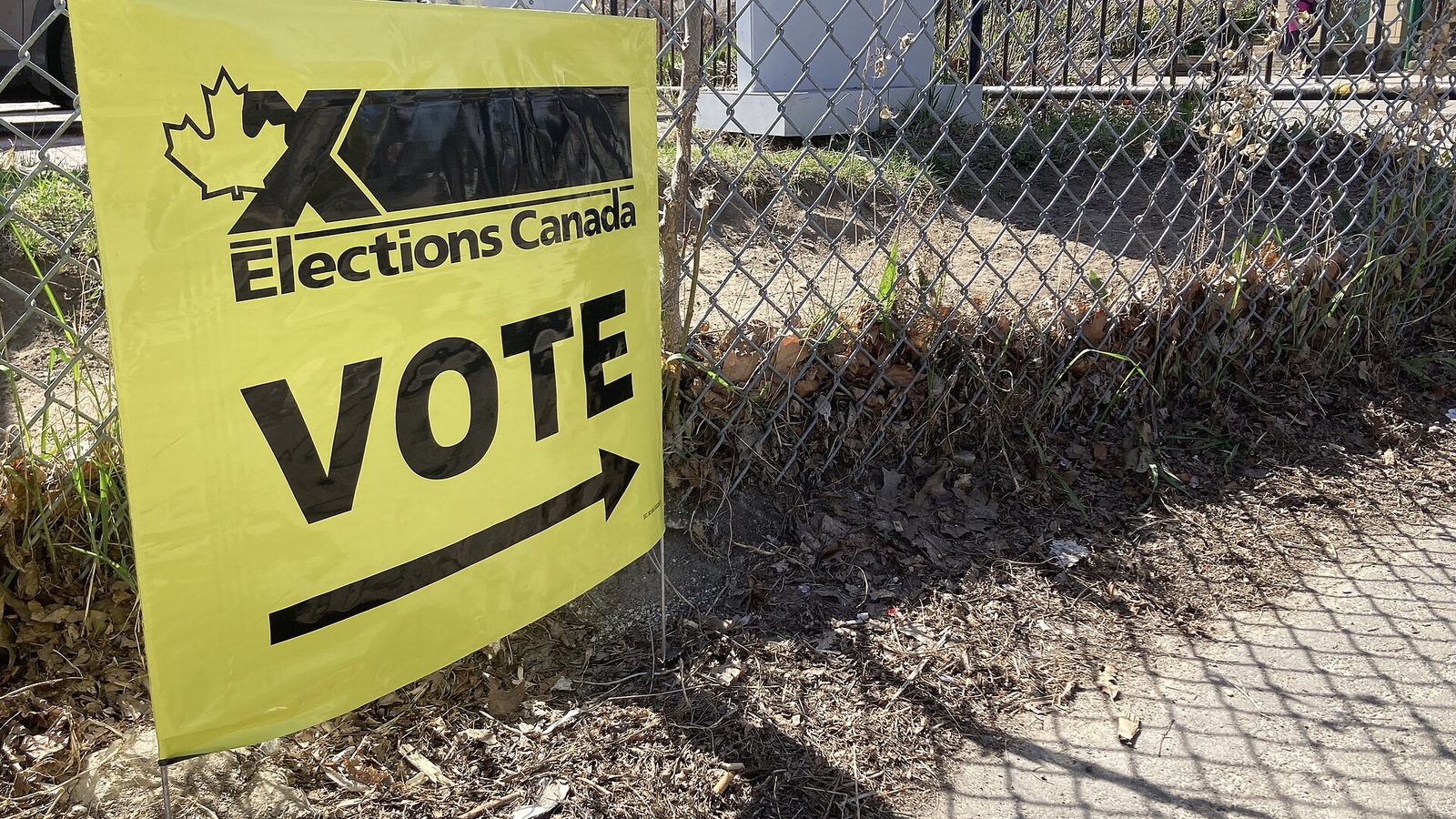
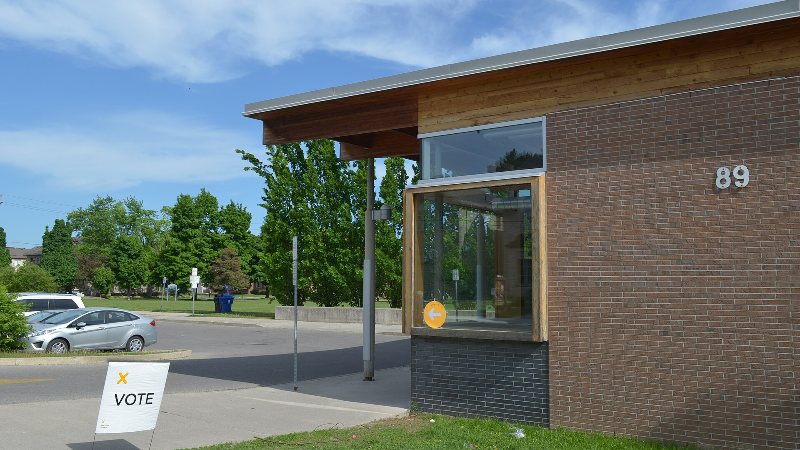
Advance polls open on Friday in six federal by-elections, Elections Canada announced on Wednesday. Voters in Brantford–Brant South and Scarborough North in Ontario, Laurier–Sainte-Marie, Rosemont–La Petite-Patrie and Saint-Hyacinthe–Bagot–Acton in Quebec, and Yorkton–Melville in Saskatchewan can vote from Friday 27 to Monday 30 November, from 9 a.m. to 9 p.m. each day. Polling day is Monday 7 December (Elections Canada via Newswire).
Mark Carney's Liberals have held a Commons majority since April, after floor-crossings and earlier by-elections. Six seats will not change who governs, but they are the first real votes in these ridings since the Liberals' lead in the polls began to narrow.
What the national polls say
The Liberals are on 44.5% in our average and the Conservatives on 32.4, a lead of 12.1 points. The Conservatives have gained 1.3 points over the last week of polling, and the Liberals 0.2. The NDP is on 10.0, the Bloc Québécois 6.1 and the Greens 3.4. Our forecast headline sums up the month: the Liberals have lost 2.9 points but stay on course for a large majority.
On those numbers a general election would give the Liberals 223 seats, well past the 172 needed, the Conservatives 85, the Bloc 22, the NDP 11 and the Greens 2. The Liberals win a majority in 98% of our simulations. The NDP is one seat short of the 12 needed for official party status and reaches it in 32%.
How far the parties have moved since 2025
Against the last general election the national picture has shifted mostly at the Conservatives' expense. The Liberals' 44.5% is close to the 43.8 they won in 2025, while the Conservatives are nine points below their 41.3. The NDP, on 10.0, is up from 6.3, and the Greens, on 3.4, from 1.2.
The month's polls agree on who leads and differ on by how much. Nanos, finished on 20 November, had the Liberals 15 points ahead. Léger had the Conservatives up three points and 11 behind. The gap in our average, 12.1 points, sits between them. Advance turnout and the results on 7 December will be the first test of those numbers against real ballots in these six ridings. Elections Canada reminds voters that they can vote only at the polling station assigned to them.
Why these ridings are hard to read
National averages say little about any single by-election. Turnout is usually lower than at a general election, local candidates matter more, and riding polls are scarce. Three of the six seats are in Quebec, the only province where the Bloc Québécois stands, so its 6.1% national share understates its strength there.
Our national forecast does not model by-elections seat by seat in the same way, and a surprise in one riding would not by itself change its numbers. What it would show is whether the narrowing seen in this month's polls is visible in real votes. Results come in on the night of 7 December. Every riding in the by-elections.
Polling Forecast reads every poll in ten countries, corrects for how pollsters have missed before, and turns them into seats. Our forecasts, the polls and our methods are free to explore.
Elsewhere on Polling Forecast
 Con Santiago Abascal en Espejo Público 24·02·2026 - 55114013870
Four leaders, five blocks and no polls: Spain's last debate
Sánchez, Feijóo, Abascal and Colau meet at 22:00 with the PP two points ahead in our average and polls banned until Sunday night.
 Queue to vote, Merri-bek, 2025 federal election
More than a third of Victoria has voted before Saturday
Early votes reached 35.1 per cent of enrolment by Tuesday night, ahead of 2022's pace, as the campaign enters its last two days.
 Donald Tusk attended the October 2024 session of the European Council Summit
Poland plans a no-fly zone along its eastern border
The defence ministry wants it in place by early January, after Russian missiles struck south-eastern Poland on 20 November.