Abascal claims three big parties as Vox holds 67 seats
Vox is on 19.1% and 67 seats in our projection, double its 2023 total, and Feijóo would need its votes to govern.
 Polling Forecast
3 min read
data as of 20 November
Written in house from our poll data and our forecast.
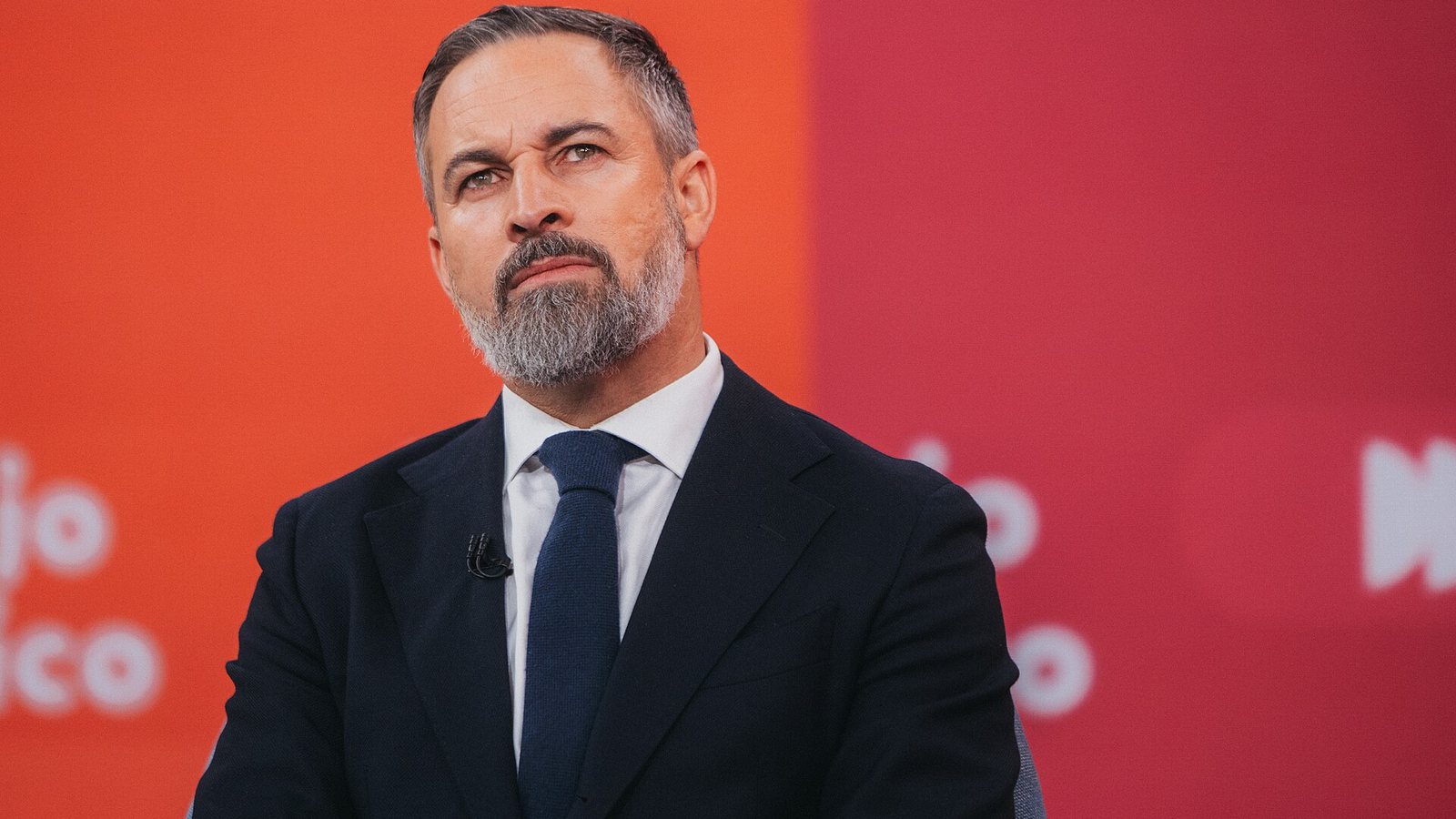
Santiago Abascal used the morning after the head-to-head debate to make his own case. Speaking in Gijón on Thursday, the Vox leader said: "En España ya hay tres grandes partidos" (Estrella Digital). Earlier, in Benavente, he said the debate between Pedro Sánchez and Alberto Núñez Feijóo had lacked him for there to be any real difference of views. He gets his chance on Thursday 26 November, in the four-way debate with Sánchez, Feijóo and Ada Colau.
The smaller parties to the left spent the day elsewhere. Colau, in towns hit by last year's floods in Valencia, promised victims' associations to reopen the Congress inquiry, and Irene Montero of Podemos told a rally in Bilbao that strong nationalist left parties would not be enough (Estrella Digital). In our average Sumar is on 6.1% and 7 seats, and Podemos on 1.6%, winning a seat in 9% of our simulations. Postal ballots can be handed in at post offices until Wednesday 25 November.
What the polls say
In seats, our numbers put Vox clearly third and well ahead of the rest. Vox is on 19.1% in our average, up from 12.4% in 2023, and would win 67 seats, double the 33 it won then. The PP is on 30.8% and 130 seats, the PSOE on 27.6% and 115. No other party would have more than 11.
Together the PP and Vox would have 197 seats, past the 176 needed, and a majority in 99% of our simulations. The bloc that voted Sánchez in as Prime Minister in 2023 would have 153 seats and keeps a majority in 1%. On these numbers Feijóo could not govern without Vox, either in coalition or with its votes from outside.
The two polls published on Friday point the same way. 40dB. for El País gives the PP and Vox 192 seats together and the government bloc 155; Sigma Dos for El Mundo gives the PP and Vox between 184 and 195 seats, with the PP 3.9 points ahead of the PSOE (Moncloa.com). Both were taken before Thursday's debate.
The coalition question
What PP voters want is less clear. In the 40dB. poll, nearly half of PP voters said they would prefer a PP government on its own and 40% a coalition with Vox (Moncloa.com). The same poll found Vox has the most loyal voters of any party, with 80.7% of its 2023 voters saying they would back it again, against 61.9% for the PSOE.
That loyalty matters for the last week. Vox's share has been steady in our average, down 0.1 points over the last week of polling. If its voters stay put, the main question on 29 November is not whether the right has a majority but how large Vox's part of it is.
What is uncertain
Our forecast does not say what kind of government would follow; that is for negotiation after the vote. A polling miss of the size seen in some past Spanish elections would be needed to bring the PP and Vox close to losing their majority. The figures on PP voters' preferences come from a single poll, and how voters respond to Thursday's four-way debate is not yet in any data. Spain votes on Sunday 29 November. Who could govern.
Polling Forecast reads every poll in ten countries, corrects for how pollsters have missed before, and turns them into seats. Our forecasts, the polls and our methods are free to explore.
Elsewhere on Polling Forecast
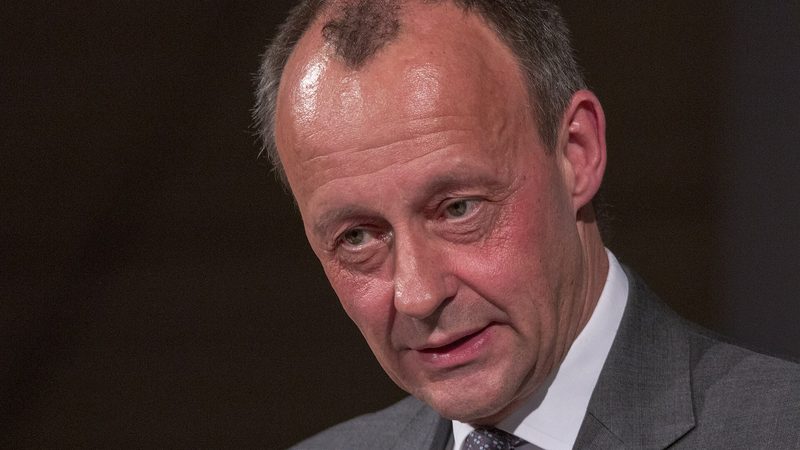 Merz and the SPD agree an electricity tax cut overnight
The cut is funded for 2027 only, with the budget vote due next week; our forecast leaves the Union and SPD 65 seats short of a majority.
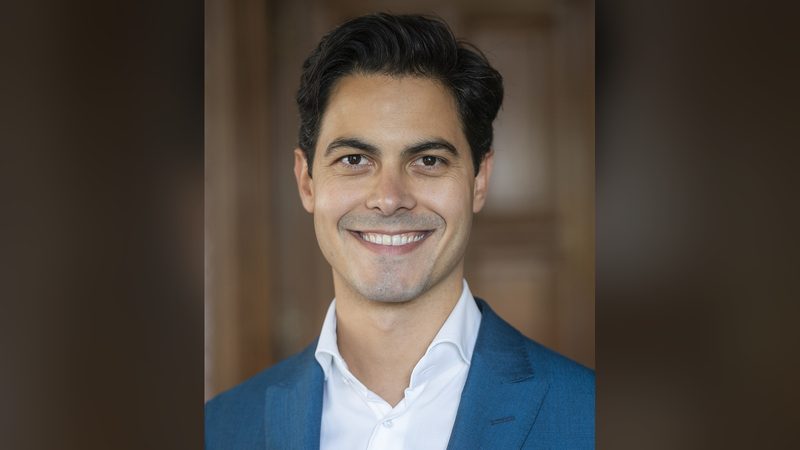 Jetten's cabinet survives four days of crisis talks with the VVD
D66, the VVD and the CDA will carry on together, but our forecast gives the three parties 43 seats, far short of the 76 needed.
 Nawrocki's internet veto is unpopular, but the right leads in seats
A new poll finds 44% critical of the President's veto of the DSA law; our forecast gives Tusk's coalition a majority in only 10% of our simulations.