Supreme Court upholds most of Quebec's Bill 21
The court found Quebec validly used the notwithstanding clause; the Bloc is on 6.1% and 22 seats in our projection, the Liberals on 44.5%.
 Polling Forecast
2 min read
data as of 28 November
Written in house from our poll data and our forecast.
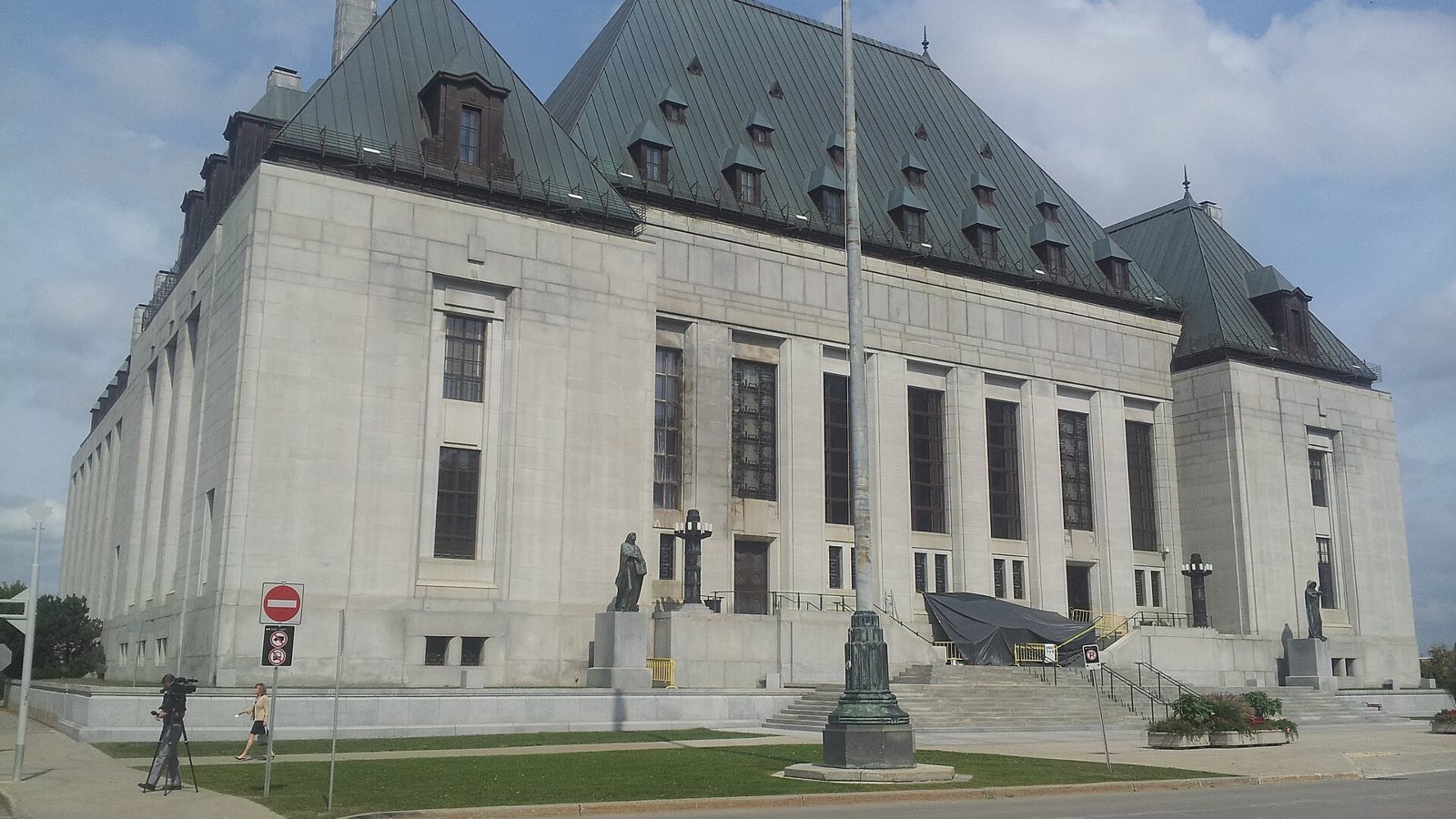
The Supreme Court of Canada on Friday upheld most of Quebec's secularism law, Bill 21, which bars some public-sector workers, including teachers and police officers, from wearing religious symbols at work (CBC News). The court ruled that Quebec's pre-emptive use of the notwithstanding clause when it passed the law in 2019 was valid.
What the court decided
The court struck down one part of the law: the ban on members of Quebec's National Assembly covering their faces, which it found violated their Charter-protected democratic rights. By four votes to three, the judges also found that courts may issue declarations that Charter rights have been violated even when the notwithstanding clause has been validly used and the law stays in force. A majority declined to issue such a declaration in this case (Canadian Constitution Foundation).
The notwithstanding clause lets a legislature override certain Charter sections for five years at a time. Quebec must renew it for Bill 21 by 2029.
The reaction
Prime Minister Mark Carney said he respected the court's independence but that governments at every level must "do their utmost to respect the rights and liberties of all Canadians", and CBC reports he said his government would not use the notwithstanding clause in response. Quebec Premier Paul St-Pierre Plamondon called the decision a victory for secularism. Manitoba Premier Wab Kinew called Bill 21 "legislative racism", and the National Council of Canadian Muslims called the ruling a "sombre day" (CBC News).
What the polls say
Our forecast is federal, and no poll in our data yet asks about the ruling. The Liberals are on 44.5% in our average, up 0.2 points over the last week of polling, and the Conservatives on 32.4, up 1.3. The NDP is on 10.0, the Bloc 6.1 and the Greens 3.4.
Our projection gives the Liberals 223 seats, well past the 172 needed for a majority, the Conservatives 85, the Bloc 22, the NDP 11 and the Greens 2. The Liberals win a majority in 98% of our simulations. The Bloc, which runs only in Quebec, holds its 22 seats from the last election in our projection.
What is uncertain
How the ruling plays in Quebec ridings is the part that could matter for seats, because that is where the Liberals and the Bloc compete for the same seats. Our forecast does not model reactions to a court ruling, and one week of polls after it will not be enough to measure any effect.
The nearer test is the six federal by-elections on December 7, with advance voting open until November 30. In Yorkton-Melville, where Carney campaigned this week, the Conservatives won nearly 80% of the vote in 2025 and the Liberals less than 15% (Canadian Press via Lethbridge Herald); a rise in the Liberal share there would be one sign of how far the party's national lead reaches. The Conservatives' rise of 1.3 points in our average this week came before the decision.
Polling Forecast reads every poll in ten countries, corrects for how pollsters have missed before, and turns them into seats. Our forecasts, the polls and our methods are free to explore.
Elsewhere on Polling Forecast
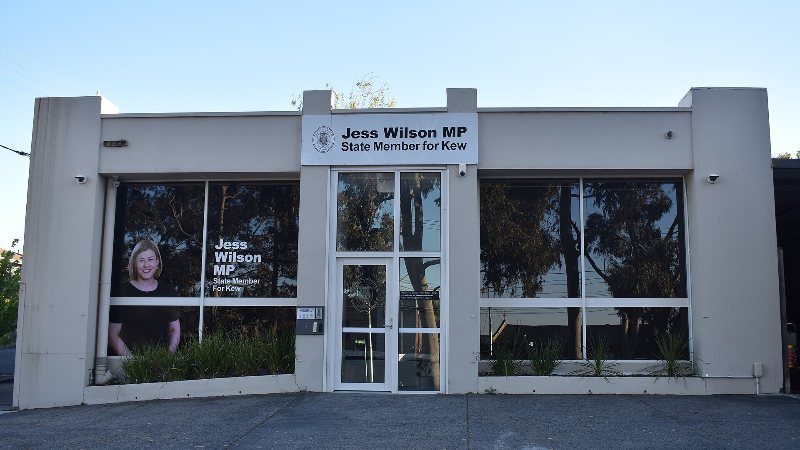 Jess Wilson electorate office, 2026
Coalition wins Victoria and Ben Carroll loses his own seat
Jess Wilson will be premier after Labor's primary vote fell to about 18%; One Nation was second on early counting but led in only a handful of seats.
 Karol Nawrocki Andrzej Domański IMG 2493
Nawrocki vetoes the government's middle-class tax cuts
The reform was due to take effect in 2027, an election year; KO leads on 32.5% in our average, but the right wins a majority in 87% of simulations.
 Press conference by Minister van defensie Brekelmans at the NATO OTAN Summit 2025 I June 25, 2025
VVD members reject motions against the party's course
Just under two thirds voted down three critical motions in Den Bosch; the VVD is on 8.6% and 13 seats in our average, down from 22 seats in 2025.