Ruffin quits the race as Macron weighs a budget golden rule
One left-wing candidate fewer, and a possible constitutional vote at Versailles, while Le Pen leads our average on 32.8% and wins in 99% of our simulations.
 Polling Forecast
3 min read
data as of 23 November
Written in house from our poll data and our forecast.
François Ruffin ended his campaign for the 2027 presidential election on Saturday 21 November. He said his campaign had reached an impasse, regretted that no broad primary of the left had taken place, and did not endorse anyone. He had been polling between 1% and 3%. The same day, the sixth weekend of protests over the cost of living drew 82,500 marchers by the Interior Ministry's count, down from 106,000 a week earlier (L'Express via Orange).
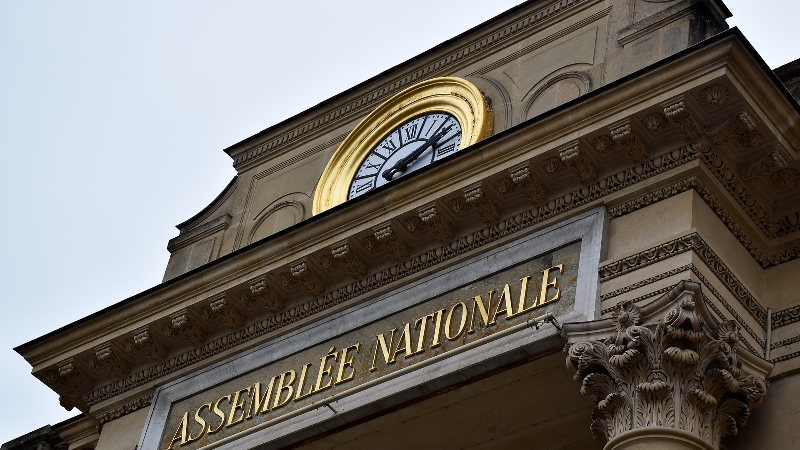
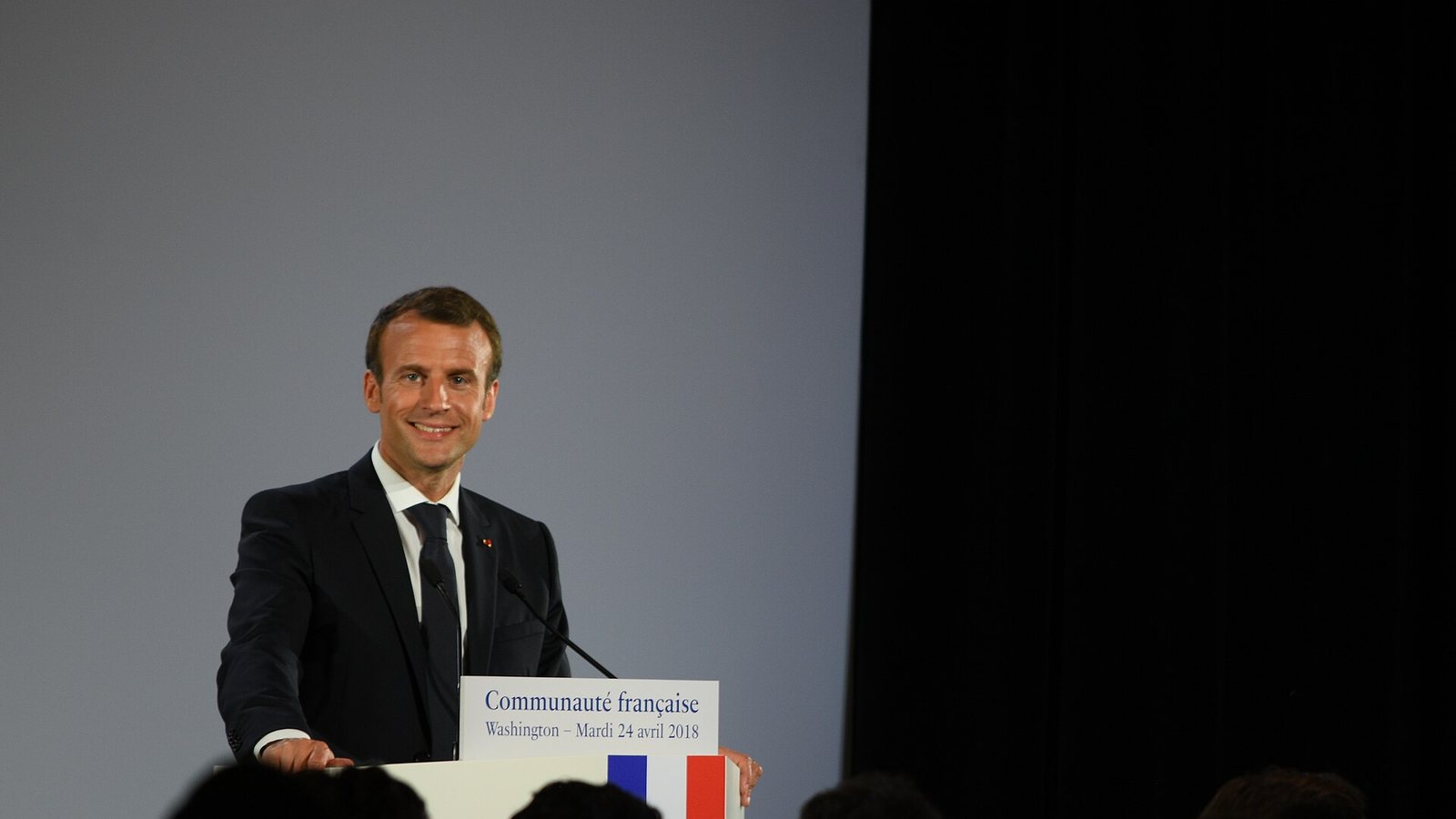
A day later Emmanuel Macron confirmed in an interview with Le Figaro that he is exploring writing a budget golden rule into the Constitution, based on a text from 2011. La Tribune Dimanche reported that he could call Parliament to Versailles as a Congress in January 2027, where a constitutional change needs three-fifths of the votes cast (Euronews; TIME France).
Who supports the golden rule
The proposal cuts across the presidential field. Édouard Philippe and Gabriel Attal support it. Bruno Retailleau would rather put it to a referendum. Marine Le Pen welcomed it and said the idea was hers, while Éric Coquerel of La France insoumise opposed it (Euronews). Macron linked the plan to rising interest rates, with the gap between French and German ten-year borrowing costs above 1.5 points (TIME France).
The 2027 budget itself is still not adopted, and Sébastien Lecornu's government is weighing Article 49.3 or ordinances (TIME France). The Senate passed the social security budget on 18 November by 201 votes to 124. A joint committee of both chambers is expected on 26 November, the last day of the 50-day constitutional deadline (Nos Parlementaires).
What our numbers say
Ruffin was not one of the candidates in our average, so his exit does not change our figures directly. Marine Le Pen leads on 32.8%, down 1.2 points over the last week of polling. Jean-Luc Mélenchon is second on 18.3, up 0.9, ahead of Philippe on 12.2, down 2.1. Raphaël Glucksmann is on 11.6, Retailleau on 6.0 and Éric Zemmour on 3.5. Among the other left-wing candidates, Marine Tondelier is on 2.6 and Fabien Roussel on 2.1.
Ifop-Fiducial's barometer, published on 18 November, tested several line-ups and put Le Pen between 32% and 36%, Mélenchon between 17% and 19.5%, Philippe between 10% and 15%, David Lisnard between 8% and 12% and Glucksmann between 8% and 11.5% (La Libre). The range in each case comes from the different candidate lists tested, which is one reason single polls in this race should be read with care.
Le Pen wins the presidency in 99% of our simulations and Philippe in 1%. A Le Pen v Mélenchon run-off is the most likely pairing, in 95% of them.
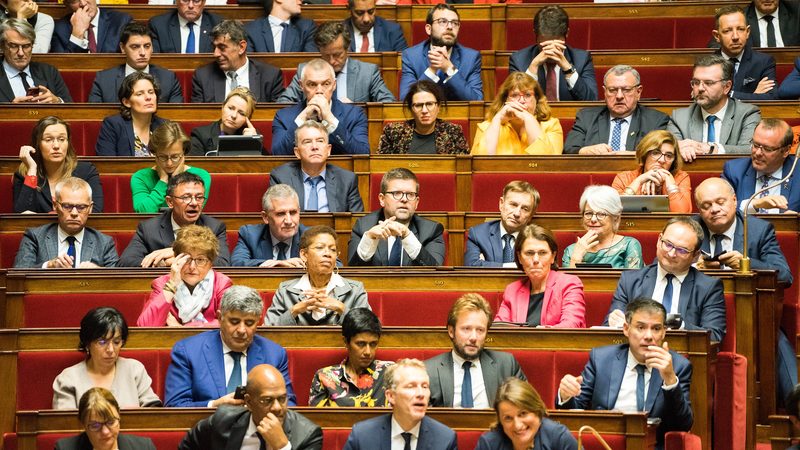
Our Assembly projection, for an election held now, gives the left 291 seats, two more than the 289 needed for a majority, with the RN and allies on 108, LR and the other right on 90 and Ensemble and the centre on 72.
What is uncertain
Ruffin's exit narrows the left's choice but leaves it unsettled: Greens members vote from 10 to 13 December on whether to field Tondelier, back Glucksmann or join Mélenchon (Europe 1). Whether a Congress takes place at all depends on Macron's decision and on the votes. And our forecast assumes Le Pen is on the ballot, a question the Cour de cassation takes up on 16 December.
Polling Forecast reads every poll in ten countries, corrects for how pollsters have missed before, and turns them into seats. Our forecasts, the polls and our methods are free to explore.
Elsewhere on Polling Forecast
 Coalition candidate wins Lubuskie Senate by-election on 14% turnout
Zdzisława Różańska took 42.7% for the governing coalition, while our forecast still gives the right a Sejm majority in 86% of simulations.
 Schlein's wealth tax meets a cool reception from her allies
The PD leader revived a 2% levy on the largest fortunes as the centre-left leads our Camera projection with 224 seats and a majority in 63% of simulations.
 Merz enters budget week with the AfD almost six points ahead
The Bundestag votes on the 2027 budget on Friday, with the AfD on 26.7% in our average and the CDU/CSU on 21.0.