Tondelier opens the door to backing Mélenchon, and Faure objects
The Écologistes leader is on 2.8% in our average and Mélenchon on 18.3; her party's members decide between 10 and 13 December.
 Polling Forecast
2 min read
data as of 20 November
Written in house from our poll data and our forecast.

Marine Tondelier has said she is ready to work on a coalition built around Jean-Luc Mélenchon's candidacy for the presidency. The Écologistes leader said so on France 2 on Wednesday, and Mélenchon answered on Thursday that an alliance "devrait pouvoir se faire" (Quartz). Manuel Bompard, the national coordinator of La France insoumise, called it good news.
The offer has limits. Tondelier said on Thursday that she would not change her programme, that she had not given her final view and that she remains a candidate unless her party decides otherwise (Quartz). The two sides still differ on the war in Ukraine, and no agreement has been reached (TRT Français). Écologistes members vote from 10 to 13 December on whether to run their own candidate or back someone else.
The Socialists reacted badly. Olivier Faure, the party's first secretary, said he regretted the move and that the Écologistes belonged in a "bloc social et écologique" with his party. Raphaël Glucksmann, the PS-Place publique candidate, said the Écologistes would be choosing to campaign for "un europhobe", and appealed to the pro-European tradition of green voters (Quartz).
Others on the left pulled in different directions. Delphine Batho of Génération écologie called on ecologists to rally to her own candidacy, while Clémentine Autain, a former LFI deputy, called for support for Mélenchon but within a broader coalition rather than a campaign run by LFI alone (TRT Français). The left has no primary and no agreed process for choosing a single candidate.
What the polls say
In our average Mélenchon is second on 18.3%, up 0.9 points over the last week of polling. Tondelier is on 2.8. Glucksmann is fourth on 11.8, down 1.0, behind Édouard Philippe on 12.7. Marine Le Pen leads on 33.4% and wins the presidency in 99% of our simulations.
Mélenchon's place in the run-off already looks secure on our numbers: a Le Pen v Mélenchon second round comes up in 94% of our simulations. Philippe wins in 1%. Tondelier's support would add to a candidate who is already second; it would not change who reaches the run-off on the current figures. What it could change is the shape of the left's first round, where Mélenchon and Glucksmann are competing for many of the same voters.
What is uncertain
Nobody knows yet how Écologistes voters would move if their party backed Mélenchon. A share of 2.8% is small, and polls of a hypothetical endorsement are not in our data. Glucksmann's argument is that many green voters are closer to him on Europe; Tondelier's is that a single left candidate has the best chance. The polls cannot yet say which is right. Our average still counts Tondelier as a separate candidate, so it will show any change only once pollsters stop testing her.
The vote in December is the next fixed point, and the date that matters most for the whole race is still 16 December, when the Cour de cassation examines Le Pen's case. Our forecast assumes she is on the ballot on 18 April. Every run-off we model.
Polling Forecast reads every poll in ten countries, corrects for how pollsters have missed before, and turns them into seats. Our forecasts, the polls and our methods are free to explore.
Elsewhere on Polling Forecast
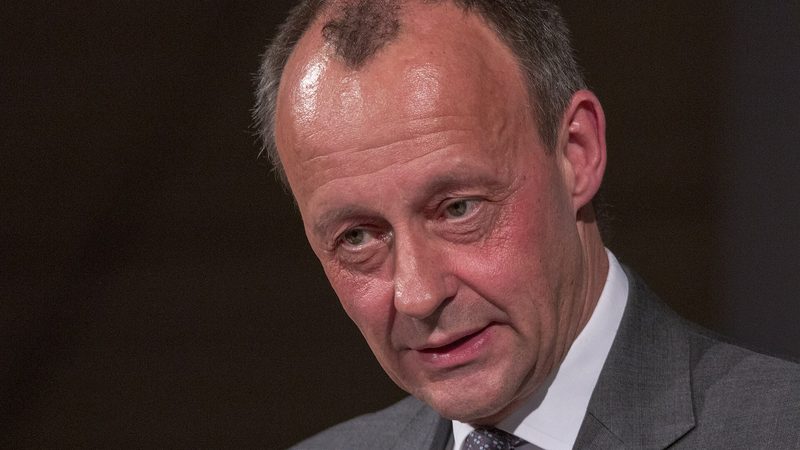 Merz and the SPD agree an electricity tax cut overnight
The cut is funded for 2027 only, with the budget vote due next week; our forecast leaves the Union and SPD 65 seats short of a majority.
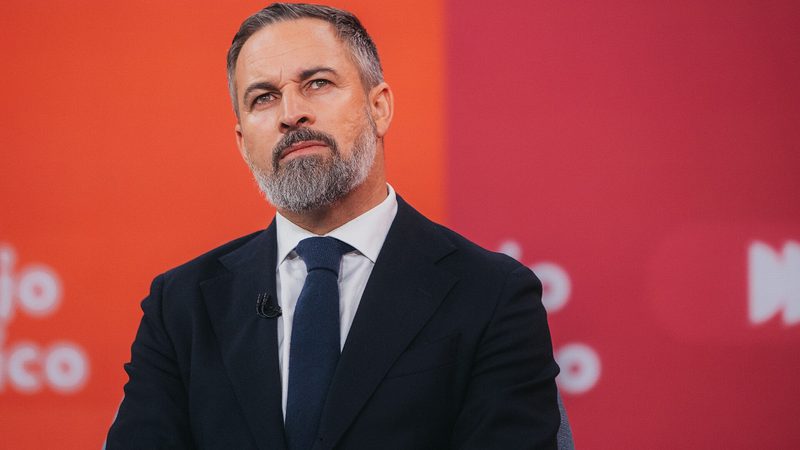 Abascal claims three big parties as Vox holds 67 seats
Vox is on 19.1% and 67 seats in our projection, double its 2023 total, and Feijóo would need its votes to govern.
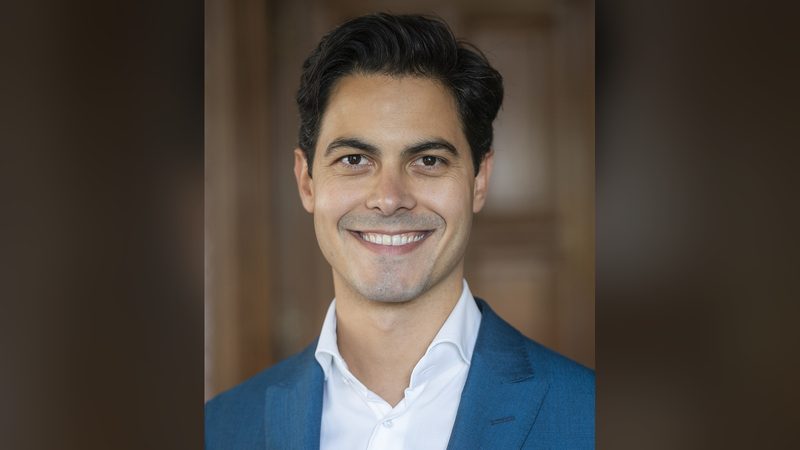 Jetten's cabinet survives four days of crisis talks with the VVD
D66, the VVD and the CDA will carry on together, but our forecast gives the three parties 43 seats, far short of the 76 needed.