
Two points or seven? Spain's pollsters cannot agree on the Socialists
The private pollsters agree on the PP almost to the decimal point. On the PSOE they are more than four points apart, and that gap is worth about seventeen seats to the right.
 Polling Forecast
3 min read
data as of 11 November
Written in house from our poll data and our forecast.
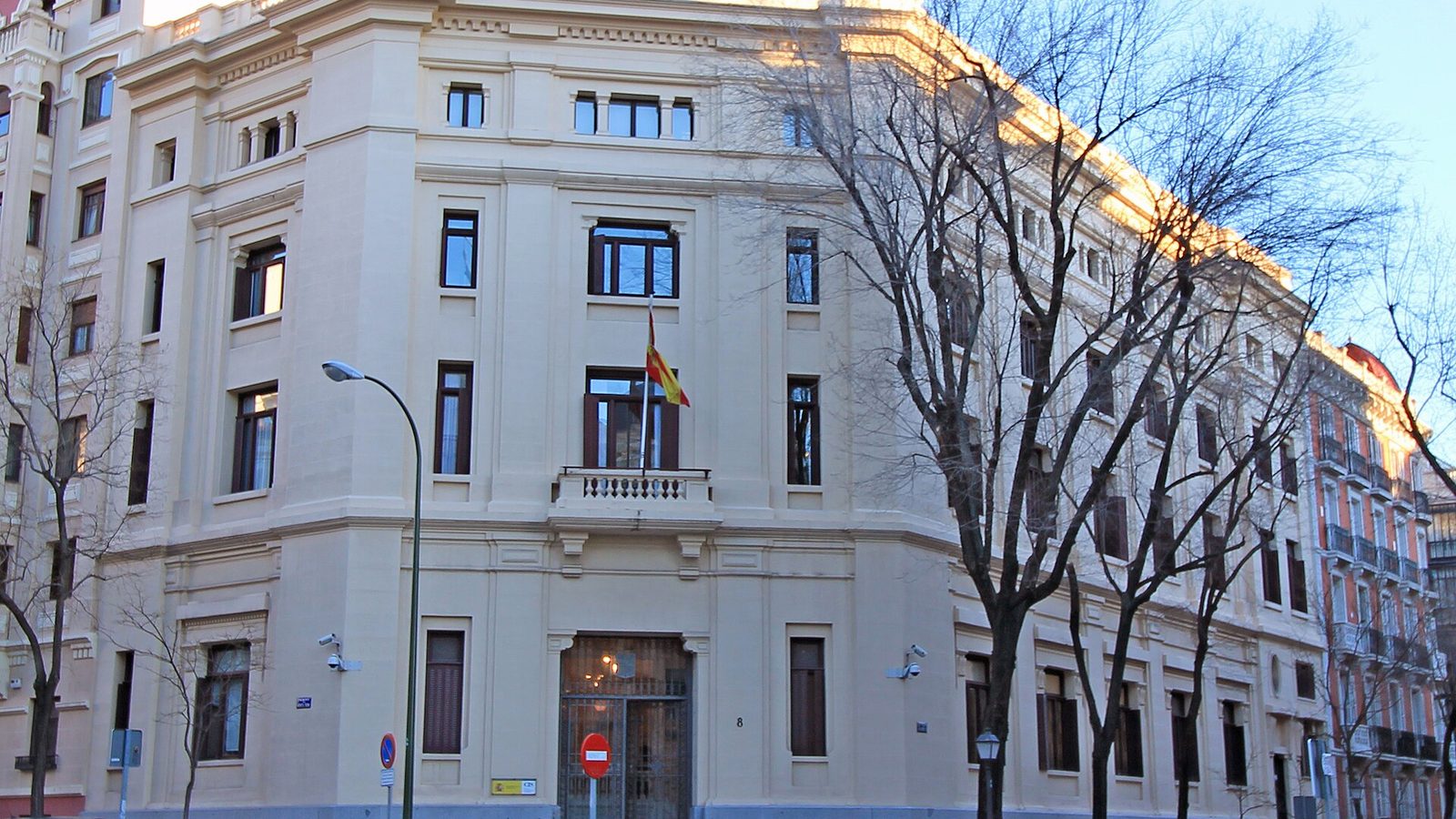

Look at the four big private polls published since the Urda crash and one thing stands out. On the PP they agree: 31% to 32.6%. On Vox they agree too: 18% to 19.4%. On the PSOE they do not.
- 40dB for El País and Cadena SER, 2-4 November: PP 31.9%, PSOE 29.9%, Vox 18.0%. Seats: PP 129, PSOE 119, Vox 61.
- GAD3 for ABC, 3-5 November: PP 31.9%, PSOE 25.9%, Vox 18.6%. Seats: PP 136 (with UPN in Navarre), PSOE 103, Vox 63.
- NC Report for La Razón: PP 32.6%, PSOE 25.6%, Vox 19.3%, and 203 to 207 seats for the PP and Vox.
- Sigma Dos for El Mundo, 30 October to 6 November: PP 31%, PSOE 25.2%, Vox 19.4%, and 199 seats for the two parties of the right.
(La Voz del Sur, La Actualidad, Qué!)
40dB has the PSOE two points behind the PP. Everyone else has it six or seven behind. Under Spain's seat law that is the difference between the PP and Vox on 190 seats and on 205. Both are majorities, but one leaves the PSOE within striking distance of blocking a PP government in a bad week for the right, and the other does not.
Then there is the CIS
The public pollster is in a world of its own. Its October barometer, taken on 1-6 October before the crash, had the PSOE on 34% and the PP on 22.2%, a twelve-point Socialist lead that no private pollster has come near (El Diario de Madrid). Its big pre-election survey, 45,000 interviews taken between 7 October and 7 November, is due any day. Most of its fieldwork was done before or just after the crash.
We do not throw the CIS out, but our model knows its record: on our measure it puts the PSOE 4.2 points higher than other pollsters, and we correct for that. Our average puts the gap between the PP and the PSOE at 4.5 points.
Who has been right before
This is where it gets uncomfortable for the PP. At six of the last eight general elections, Spain's private pollsters understated the PSOE: 104 of 142 private final polls since 2004 had it too low. In 2023 almost every one had the PP and Vox reaching a majority; they won 170 seats between them, six short.
So if history is a guide, the pollster closest to the Socialists is more likely to be right than the ones furthest away. That favours 40dB.
But look at what 40dB actually says: the PP and Vox on 190 seats. Even the most Socialist-friendly private poll of the campaign gives the right a majority with fourteen seats to spare. That is why our forecast still makes it a near certainty. A repeat of the average Spanish polling miss narrows the margin; it does not overturn it. Only a miss the size of 2004's gets the PP and Vox down to 177.
What to look for
When the CIS publishes, look at its PSOE figure against the PP, not at the headline. If even the CIS has the gap closing compared with October, the post-crash damage is real. If the CIS still has the PSOE well ahead, expect a week of arguments about the CIS, and expect our average to barely move.
Polling Forecast reads every poll in ten countries, corrects for how pollsters have missed before, and turns them into seats. Our forecasts, the polls and our methods are free to explore.
Elsewhere on Polling Forecast
 Six by-elections on 7 December, and Brantford is the one that could change hands
Mark Carney has called six federal by-elections for the same day. Five look safe for the party that held them. In Brantford–Brant South, a Conservative seat, our projection has the Liberals narrowly ahead.
 Labour is back at the edge of a majority, and the race for second place has reset
Labour's lead is the widest YouGov has measured since it restarted its tracker. The Conservatives' autumn climb has stalled, Reform is at its joint lowest, and the order behind Labour now decides dozens of seats.
 Marine Le Pen's most dangerous opponent is a court date on 16 December
She leads every poll by around sixteen points and wins every run-off pollsters test. The only thing in her way is the Cour de cassation, and its timetable could run right up to the first round.